Bali’s dining scene includes sushi, ramen, teppanyaki and much more alongside local specialities. These seven Japanese restaurants offer different settings across Uluwatu, Seminyak, Sanur, Ubud, Kuta and Canggu.
The budget ranges below come from the original guide and are planning references, not current quotes. Check menus, taxes, opening hours and reservations directly before travelling, especially for a small sushi counter or a hotel restaurant.
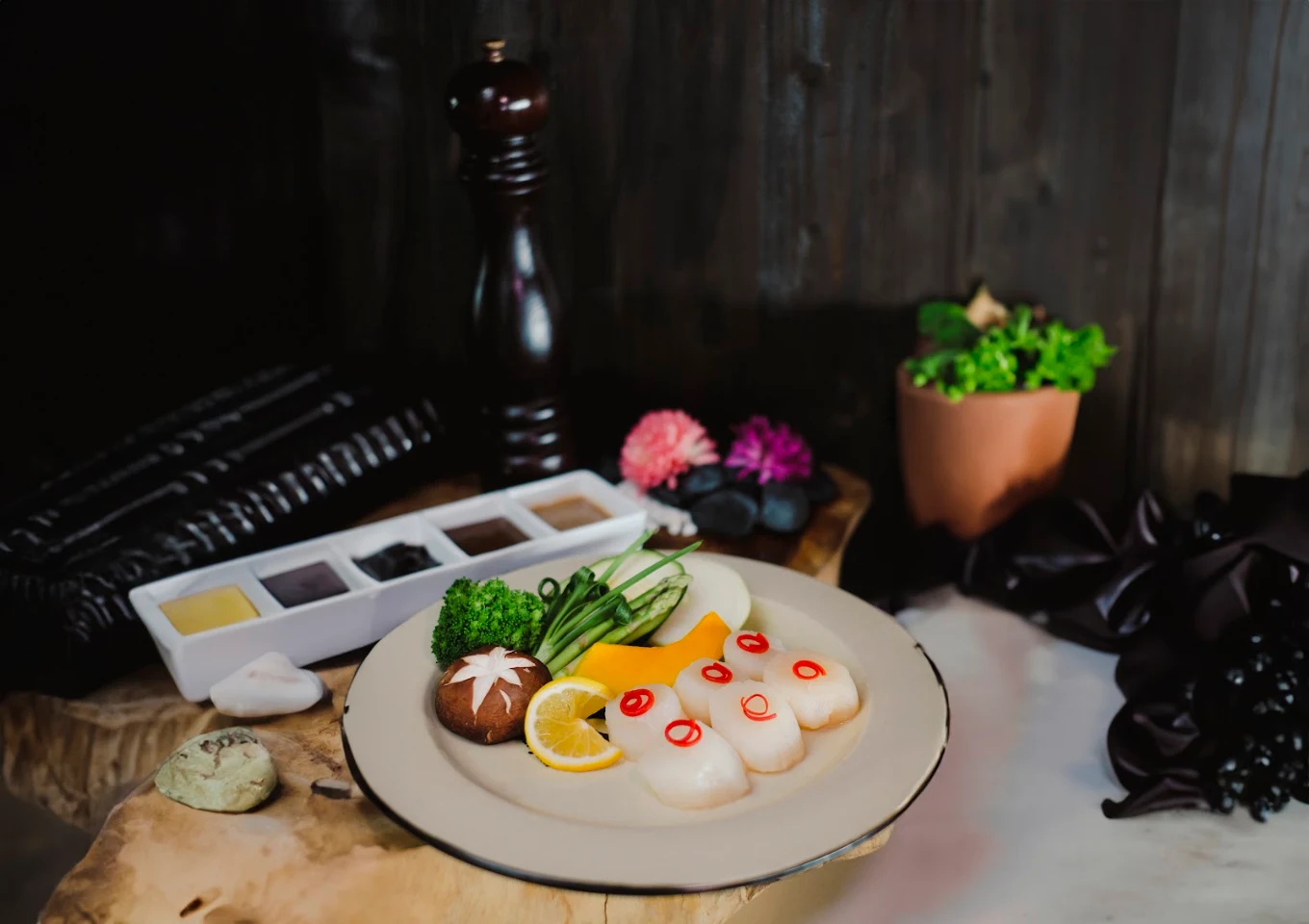
SONO combines Japanese cooking with the entertainment of a chef preparing a meal in front of guests. Scallops, Black Angus beef and seafood feature in the style of dining described by the guide.
For an evening out, choose one or two coastal stops before dinner. A sunset temple performance needs careful timing with a restaurant reservation. Reserve ahead and enjoy the atmosphere without assuming every counter seat has the same view.
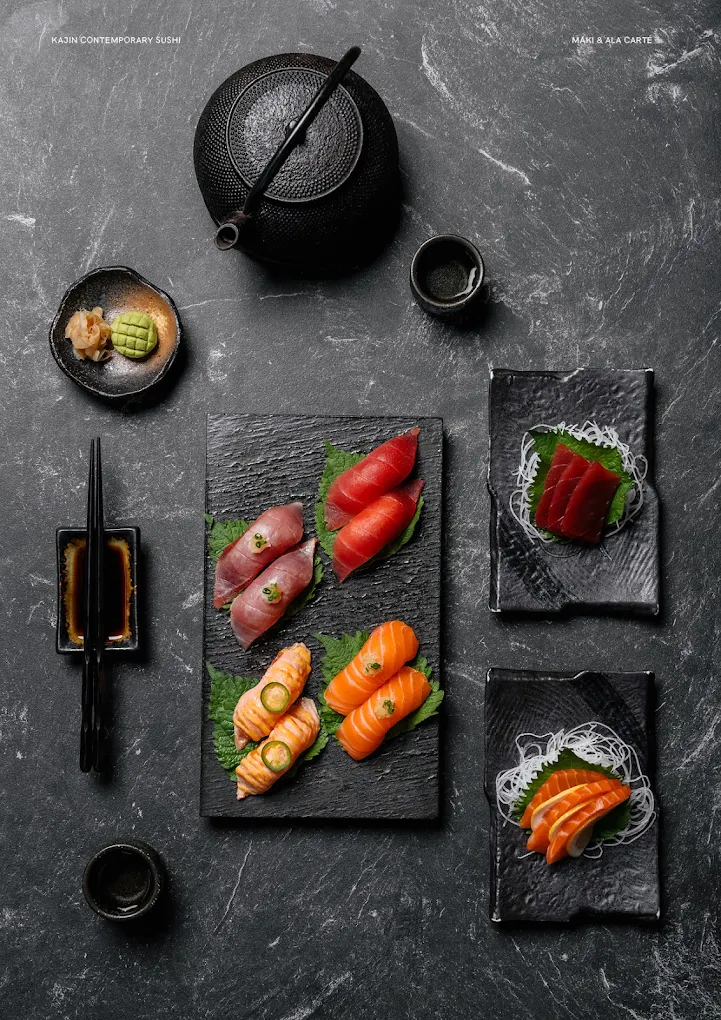
Kajin offers an intimate upstairs sushi setting in Petitenget, with sushi, sashimi and sake. Seasonal selections and any omakase programme should be checked when reserving rather than assuming a fixed weekly menu.
Combine a beach walk or browsing boutiques with dinner. Book first because seating is limited, and choose Kajin for a more personal meal rather than a large, noisy gathering.

Tsune’s Sushi River carries small sushi plates on water, adding a playful detail to an otherwise refined setting. Nigiri, rolls and grilled fish are among its main styles, with sea and harbour views in the wider setting.
A morning cycle on the coastal path and a later meal can make a relaxed Sanur day. A Nusa Penida visit requires substantial boat and island time, so do not treat it as a brief detour. Sanur is east-facing: choose it for morning light and the sea view, rather than expecting a west-coast sunset over the water.
The guide highlights Nori Beef and grilled-fish sets as dishes to ask about. Visit in daylight if the outlook is a priority.
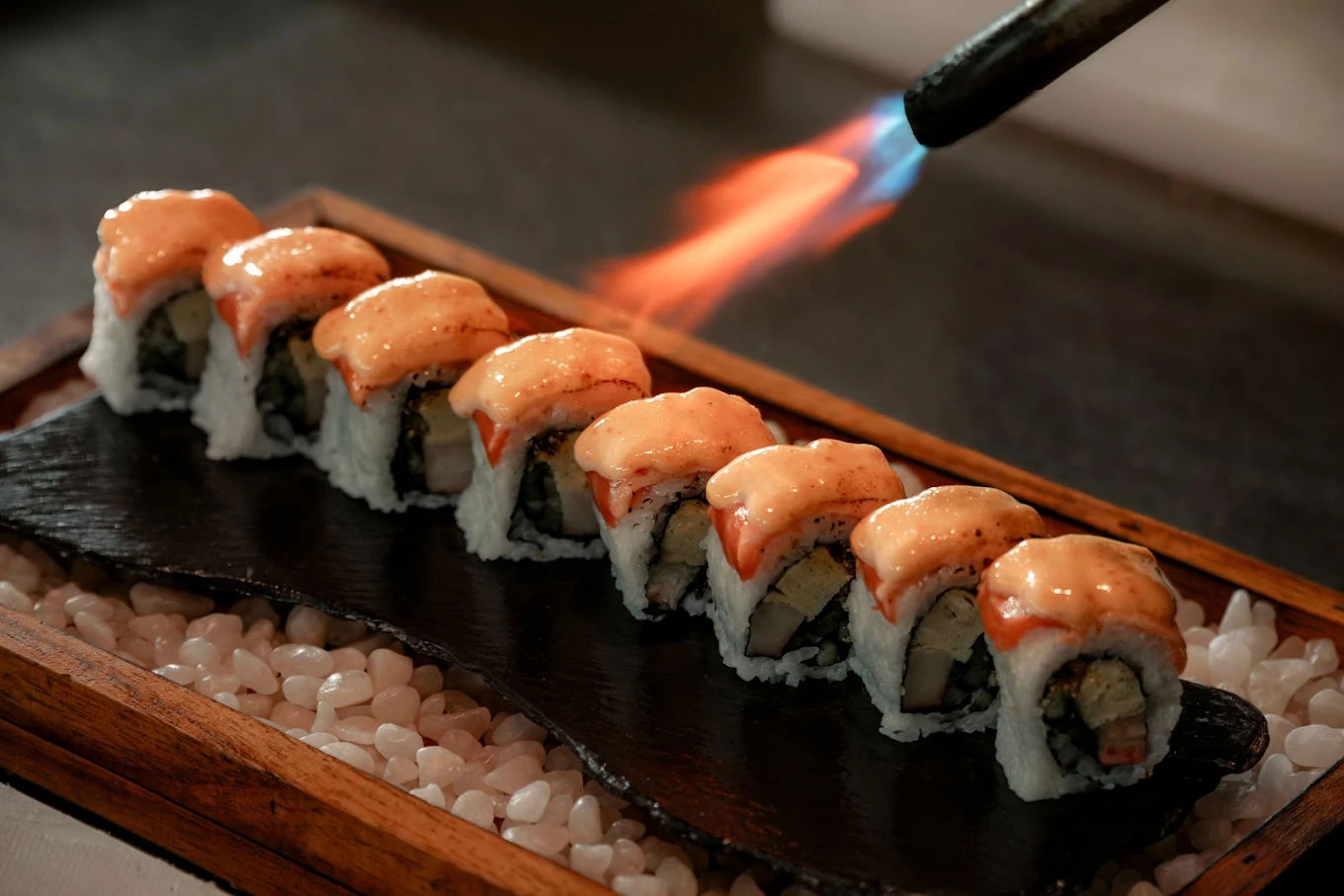
Norii brings a Japanese bar-inspired setting to the Peliatan area, with robatayaki, sushi and ramen among the dishes described in the guide.
Choose a manageable Ubud itinerary, such as a morning walk followed by sightseeing and an unhurried dinner. Ask whether Robatayaki Beef or Toro Ramen is available on the current menu.
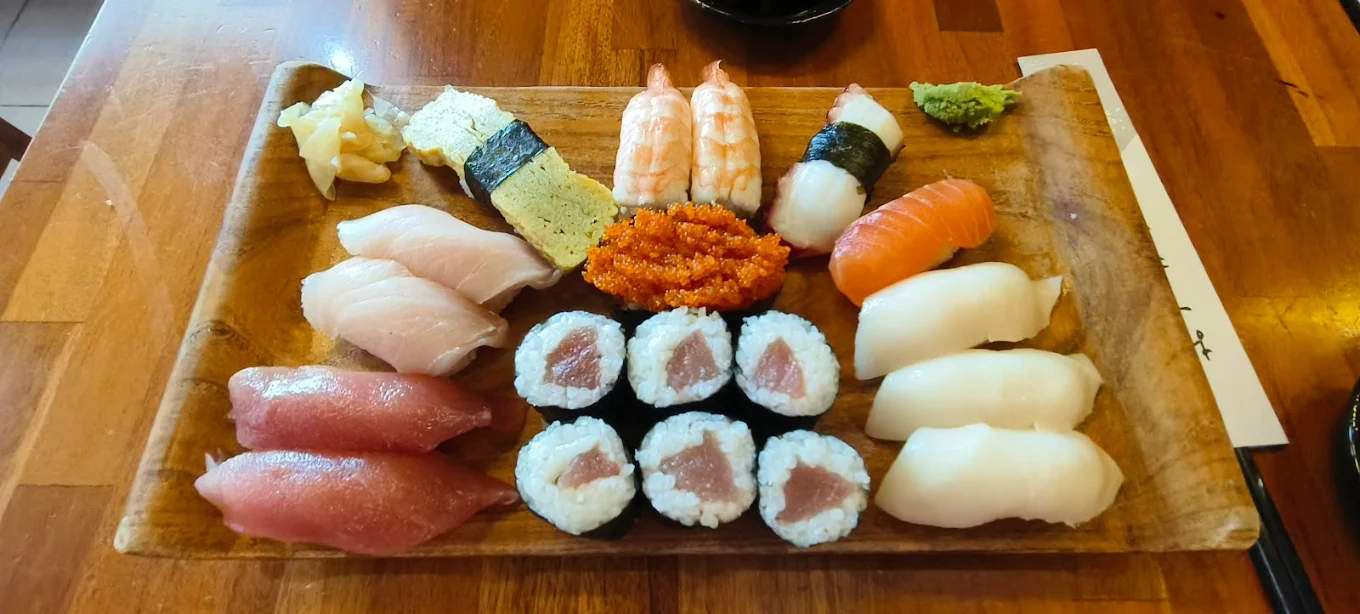
The original guide identifies a Ryoshi branch in Bali Galleria as a casual family option for ramen and bento-style meals. Mall tenants and opening arrangements can change, so confirm this exact branch before planning a visit.
A meal between shopping or other Kuta activities can be practical, but allow for transfers from the beach district. Expect a casual meal rather than a small-counter fine-dining experience.
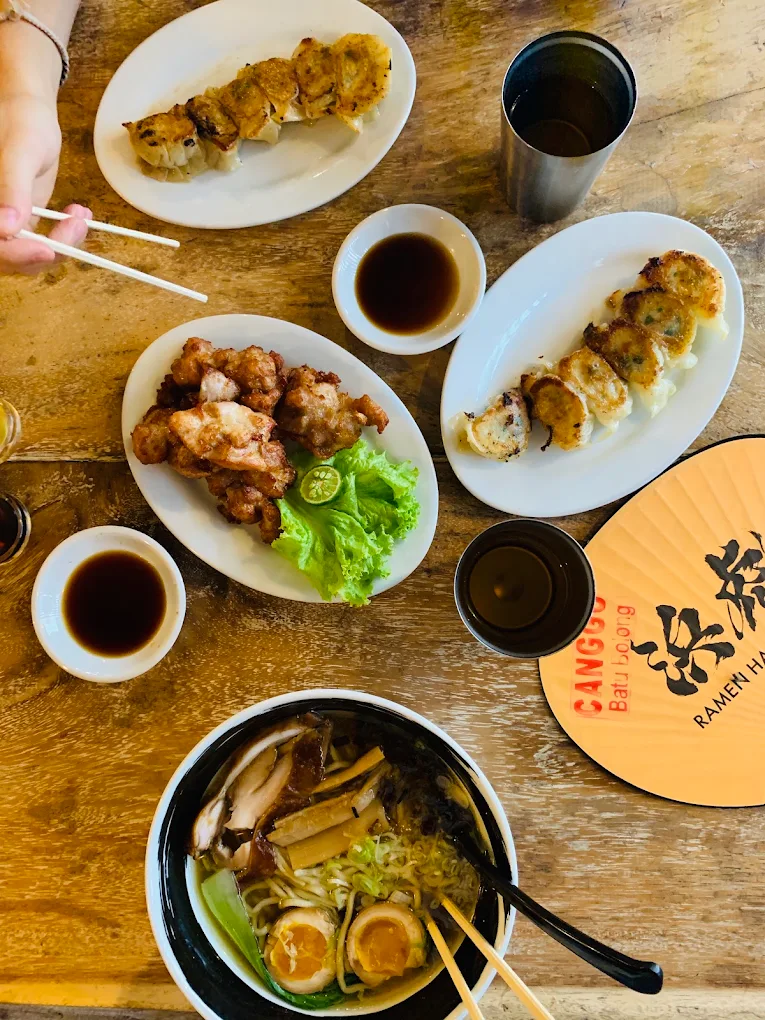
Hamatora is featured for its Yokohama-influenced ramen and a modern industrial setting. The guide describes rich broths and a choice of shio, miso or shoyu flavours, with toppings and alternatives to confirm from the menu.
Consider a coastal activity and lunch, with Tanah Lot later only if the timing works. Peak meal periods may involve a wait. FINNS Beach Club has its own entry and age rules, so it is not an automatic family add-on.
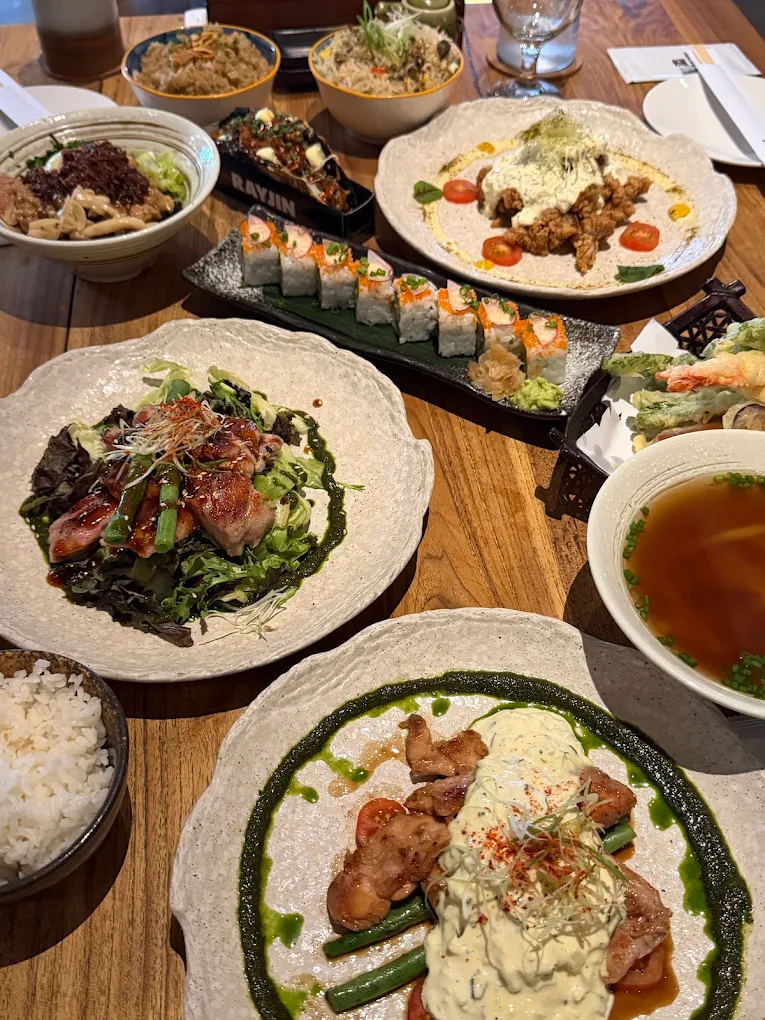
Rayjin offers a lively counter experience centred on food cooked in front of diners. Japanese small plates and the cooking performance make it a different type of night out from a quiet sushi bar.
Reserve ahead, especially for a group that wants to sit together at the counter. A beach walk or shopping before dinner can fit the evening, allowing time for traffic.
These restaurants are spread across different parts of the island, so select a sensible area rather than trying to visit all seven in one day. Explore luxury car rental in Bali with Bikini Garage, including Jeep Rubicon, Mercedes-Benz, BMW, MINI Cooper, Toyota Alphard, Mustang Convertible and Porsche options subject to availability.
Confirm passenger capacity, your restaurant reservation and pickup times when booking. If your evening includes alcohol, arrange a driver or other suitable transport.