An overheating engine can cause serious damage and leave you stranded. Continuing to drive with a temperature warning can harm internal components; in a severe incident, smoke or fire may also be a concern. Respond calmly and stop as soon as it is safe.
A car’s cooling system normally controls engine temperature. Leaks, damaged parts or poor maintenance can prevent it from working properly. Knowing the first steps helps, but a roadside check is not a substitute for a mechanic’s diagnosis.
Switching off the air conditioning reduces the load associated with the compressor. Do this while finding a safe place to stop; it is not a reason to continue driving an overheating vehicle.

Move out of traffic carefully, stop in a safe location and turn the engine off. Avoid continuing in the hope that the temperature will fall. Excess heat can damage pistons, the cylinder head and the engine block.
Use hazard lights where appropriate and keep passengers away from moving traffic. If there is smoke or suspected fire, move clear and seek emergency help rather than opening the bonnet.
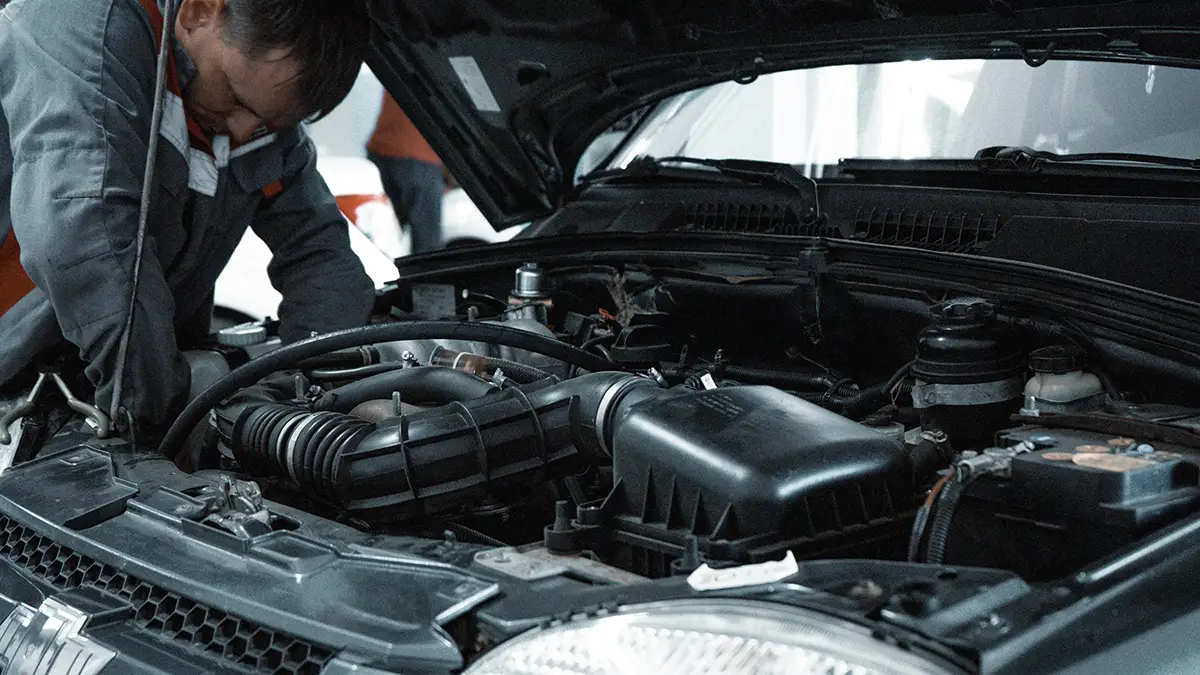
Opening the bonnet can help heat escape, but do not approach escaping steam or a very hot bonnet. Wait until steam has stopped and follow the vehicle’s handbook. Use the proper bonnet support, if fitted, and keep clear of hot or moving components.
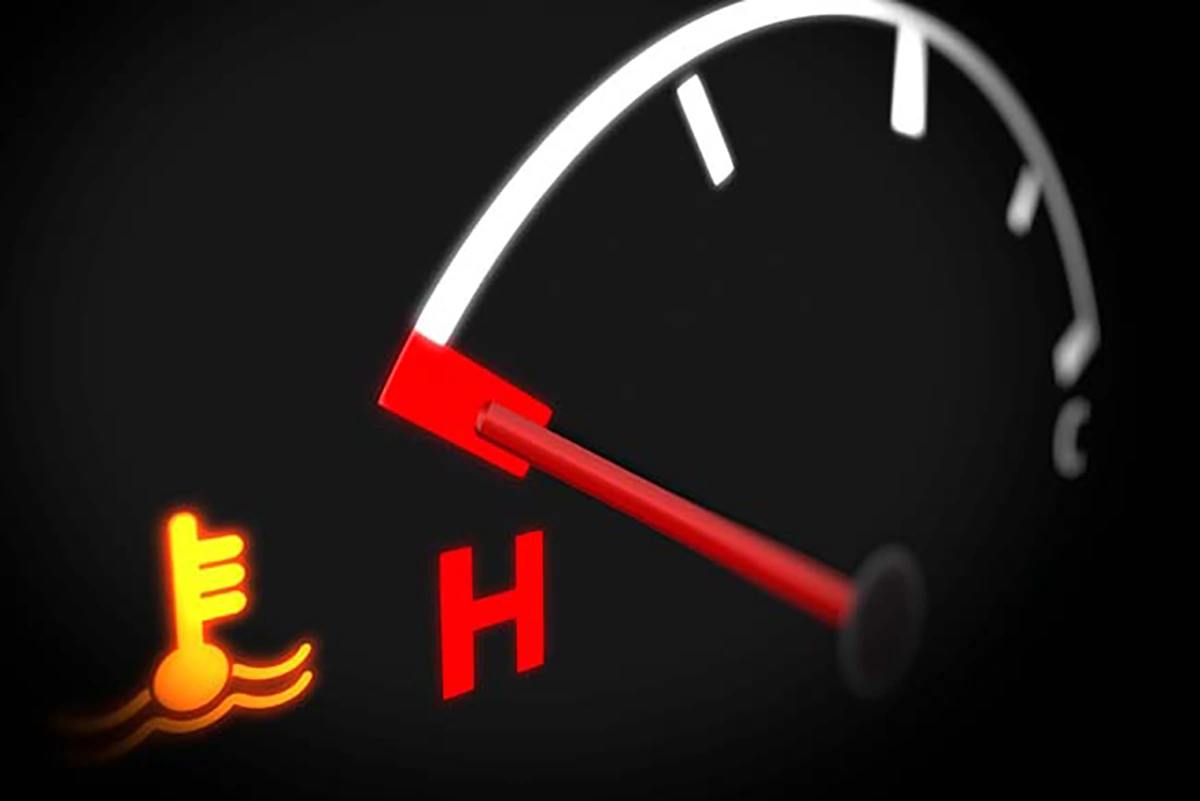
Cooling may take at least 30 minutes and considerably longer after severe overheating. A set waiting time does not guarantee that the system is safe to open. Do not restart simply because the gauge has dropped.
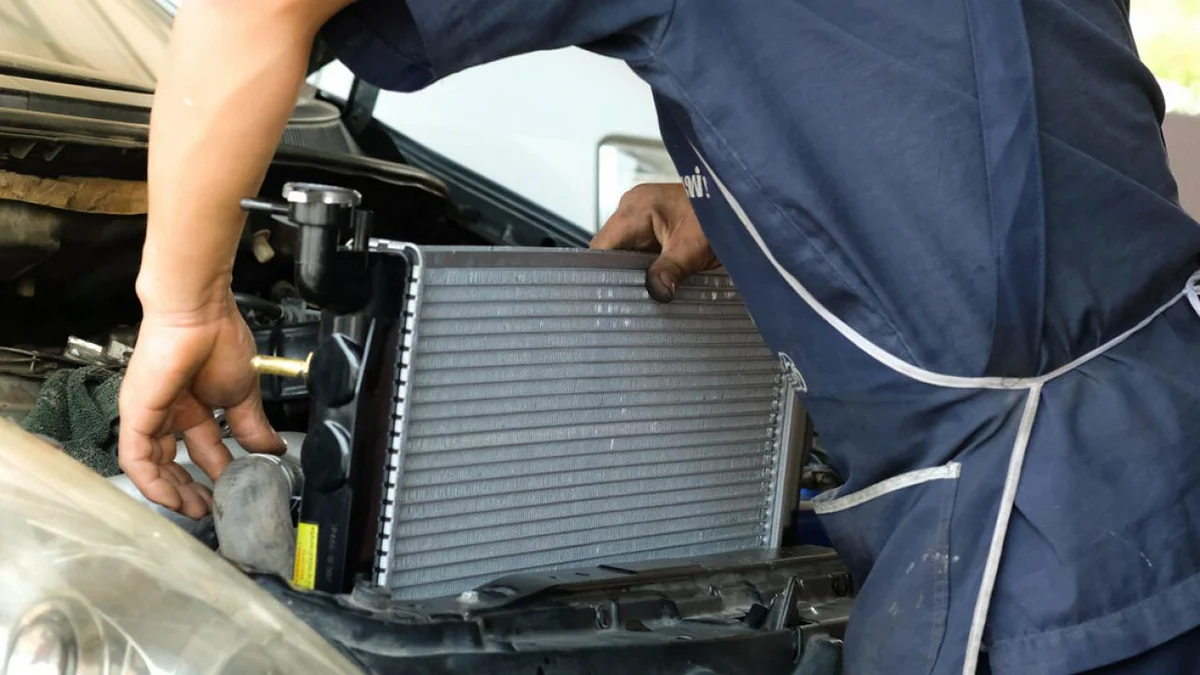
Never remove a radiator or expansion-tank cap while the engine or cooling system is hot. Pressurised coolant and steam can cause serious burns.
Once everything has cooled, follow the handbook or let a technician inspect the radiator, hoses and cooling fan. Electric fans can start unexpectedly, so keep hands and tools clear even when the engine is off. A fan fault needs professional attention.
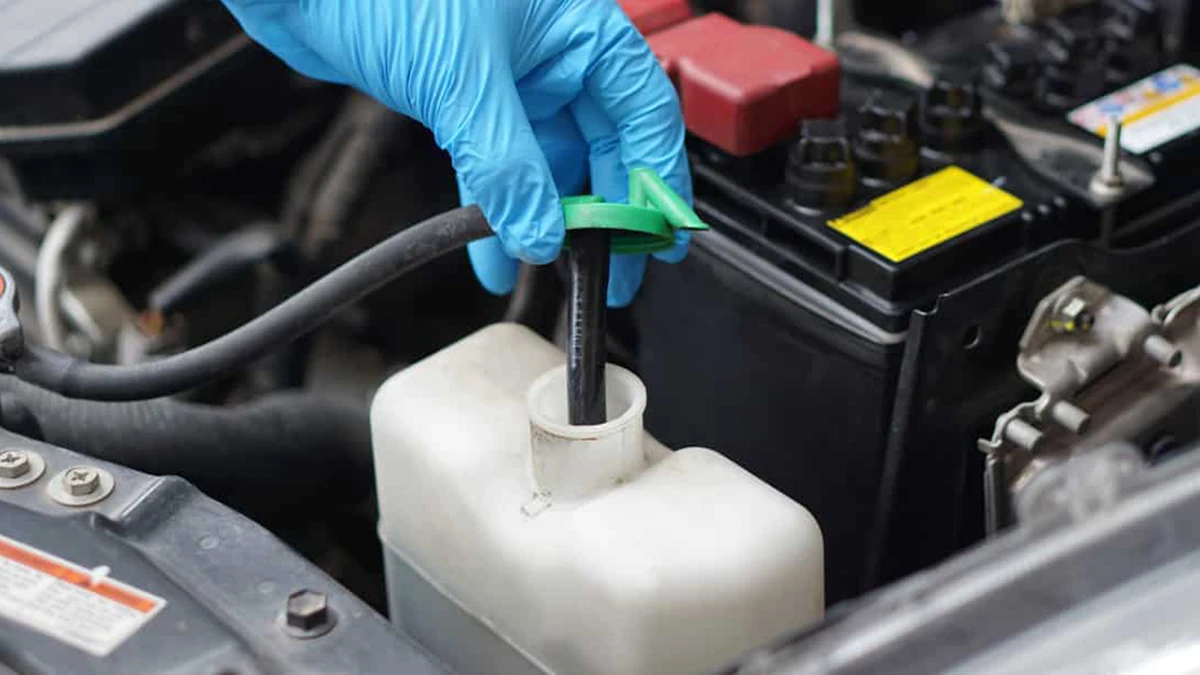
When the engine is cold, check the coolant level against the markings specified by the manufacturer. If topping up is appropriate, use the recommended coolant and fill only to the cold-level mark—not beyond the maximum.
Look for obvious leaks around the reservoir, hoses, radiator or engine and for fluid underneath the car. A low level can indicate a leak; adding fluid alone does not repair it. Do not pour cold liquid into a hot radiator. Contact a workshop or your rental provider if there is leakage or uncertainty.
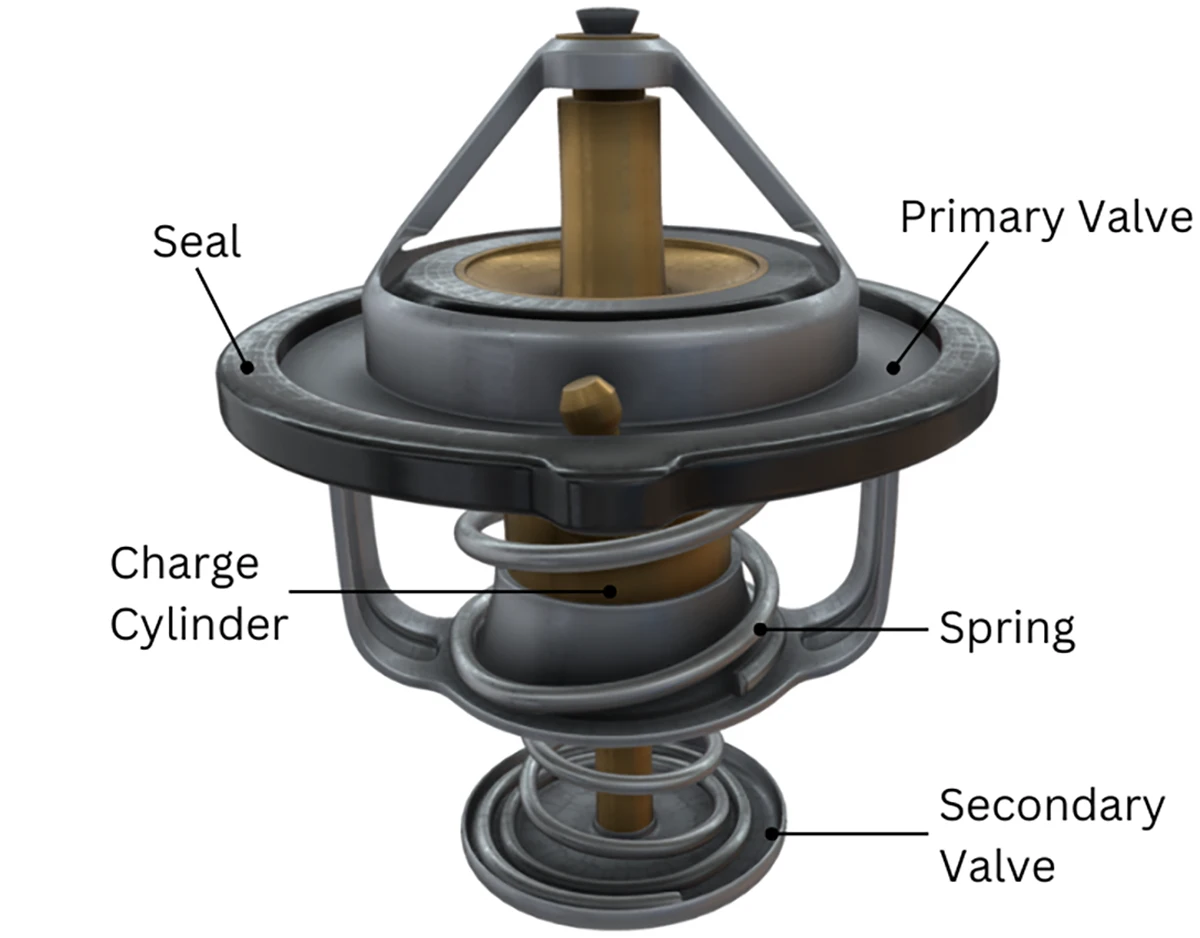
A faulty thermostat or water pump can interrupt coolant circulation. These parts require proper diagnosis and repair at a workshop. Do not attempt to dismantle the system by the roadside.
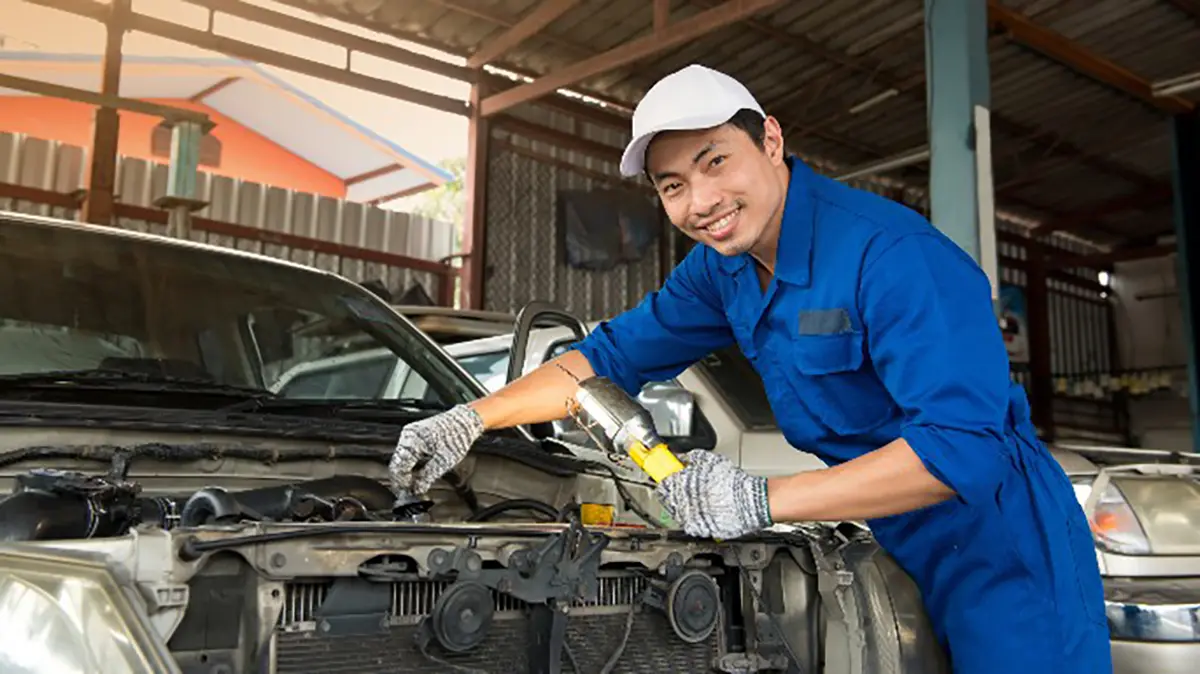
If the warning returns, coolant is leaking, or you cannot establish that the car is safe, arrange roadside assistance or recovery. With a rental vehicle, contact the rental company before attempting repairs or continuing the journey.
Stay patient while the engine cools. A careful inspection by a technician is safer than repeatedly restarting an engine whose overheating cause remains unresolved. The RAC’s overheating guidance also explains why hot cooling-system caps must remain closed.
The upper and lower radiator tanks can deteriorate with age and heat. Plastic tanks on many vehicles may crack, allowing coolant to escape. Include them in routine servicing.
Have hardened, cracked or damaged hoses replaced. The cap and its seal also need to maintain the correct pressure; use the manufacturer’s specified part and have faults assessed professionally.
Use the coolant type and mixture recommended in the handbook. Unsuitable water or neglected coolant can contribute to corrosion and deposits that restrict passages. Coolant colour alone is not a reliable diagnosis.
Debris around the radiator can reduce airflow. Have its condition and the fan’s operation checked regularly, keeping clear of hot and moving parts.
Oil lubricates moving components and also carries heat away. Check it on the schedule and using the method specified for your car, whether that uses a dipstick or an electronic display.
On vehicles with a belt-driven water pump, belt damage can interrupt circulation. Some cars use a different arrangement, so follow the model’s service requirements. Have cracks or wear assessed before a belt fails.
Knowing the response helps, but routine maintenance remains the best preparation. If you are travelling with family, discuss vehicle condition, breakdown support and the response procedure before you set off.
Explore Bikini Garage’s Bali car rental options and ask the team whom to contact if a dashboard warning appears during your rental.