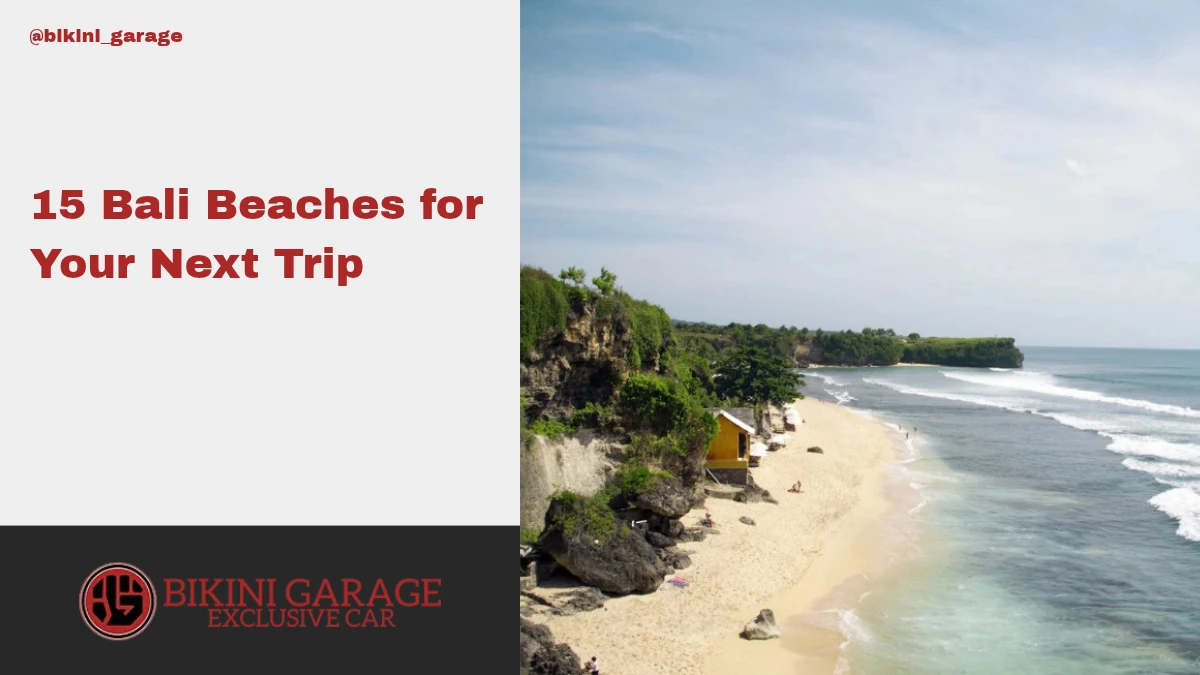
Bali’s coastline offers many different holiday settings: lively beach clubs, family outings, fishing villages and quieter stretches below dramatic cliffs.
These fifteen beaches come from the original 2025 selection, with practical notes for planning a visit. They are established destinations rather than newly opened beaches. Conditions, access and visitor numbers vary; never assume a calm-looking sea is safe for swimming.
View this post on Instagram
Jimbaran is well known for seafood restaurants lining the sand. Towards evening, tables face the sea, making a visit around 5 p.m. an appealing starting point for dinner and sunset, depending on the season.
Order grilled fish or prawns and enjoy the coastal setting. Families can spend time on the sand with children closely supervised, couples may enjoy the atmosphere, and solo travellers can take in a busy yet relaxed dinner scene. Wave conditions change, so make water safety decisions on the day.
View this post on Instagram
Seminyak combines a broad sandy shoreline with beach clubs, restaurants and a lively contemporary atmosphere. It can suit a relaxed drink and music as much as a beach walk.
In the afternoon, colourful beanbags often appear along parts of the beachfront. Visitors gather for sunset, while the wide sand offers room to stroll. Shops and restaurants in the district make it easy to continue the evening after leaving the coast.
Related: Places to Visit in Seminyak
View this post on Instagram
Sanur is a sunrise destination rather than a sunset-facing coast. The original guide suggests an early start around 5:30 a.m.; check the sunrise time for your travel date. Walkers, runners and cyclists use the waterfront route as daylight arrives.
Some sections can appear relatively sheltered, with exposed sand at low tide. Supervise children, check local advice, tides and boat activity, and swim only where permitted and conditions are suitable. Fast boats to Nusa Penida and Nusa Lembongan depart from the Sanur harbour area, making the district useful for an onward island journey.
Related: Photogenic Cafés in Sanur
View this post on Instagram
Kelingking’s dinosaur-shaped headland is one of the most recognisable views associated with Bali. The clifftop panorama attracts photographers even when they do not descend to the beach.
The original guide gives a descent estimate of 30–45 minutes, but this is not a reliable allowance for everyone: the route can be extremely steep, difficult and subject to restrictions. Check current access and weather locally; a clifftop visit may be the appropriate choice. The beach has dangerous surf and currents and should not be treated as a swimming destination. Leave substantial time and energy for any permitted return climb.
Related: Places to Visit in West Nusa Penida
View this post on Instagram
Suluban has a distinctive approach through rocky passages, opening onto a dramatic coast with powerful waves. It is closely associated with experienced surfers.
It is not a place to assume you can take a gentle swim. High tide and swell can push water into the passages and cut off access. Check tide and surf conditions, follow local restrictions and keep a safe distance from breaking waves. A lower tide can expose more shore, but does not itself guarantee safe access.
View this post on Instagram
Green Bowl lies below a cliff and is reached by many steps. White sand, clear-looking water and a more demanding approach give it a different feel from easily reached resort beaches; visitor numbers still vary.
Caves around the shore are associated with bats. Do not disturb wildlife or assume a cave is a safe rest area: check tides, stay away from bats and droppings, and avoid entering caves. Bring water and allow energy for the climb back up.
Related: Glamping Stays Around Bali
View this post on Instagram
Geger offers soft sand and a resort-area setting in Nusa Dua. Some conditions can feel calmer than exposed surf beaches, making it appealing for time on the sand.
Luxury properties surround the area, but use the designated public access and check any entry or parking charges. Swimming or light snorkelling should depend on conditions, marked areas and local advice. Do not step on coral or assume reef areas are safe simply because the water looks clear.
View this post on Instagram
Amed’s east-coast setting brings fishing villages, volcanic sand and traditional jukung boats along the shore. It is a longer journey from the main southern tourism districts.
Snorkelling and diving are key attractions, with reef access at selected sites. Choose an appropriate operator and entry point rather than swimming out anywhere along the coast. From higher viewpoints around Jemeluk, the bay and, in clear conditions, Mount Agung create a memorable panorama.
View this post on Instagram
Diamond Beach is known for pale cliffs, turquoise water and dramatic views from above. A stairway follows the cliff towards the sand.
The descent is demanding and can involve hazardous sections or access restrictions. Viewpoints may be the better choice; check current rules and do not descend merely for a photograph. Strong surf and currents make the water dangerous. Enjoy the scenery without treating its colour as evidence that swimming is safe.
Related: Bali Attractions for Children (Indonesian)
View this post on Instagram
Gunung Payung is a quieter-sounding alternative in southern Bali, with white sand below a cliff. The original guide describes a stepped approach; confirm the current access and transport options on arrival.
A temple stands nearby, and ceremonies can affect access. Respect sacred areas and local instructions. The beach’s more secluded feel does not guarantee solitude or safe swimming, particularly when the waves are large.
View this post on Instagram
Nyang Nyang is associated with a long, exposed coastline and a more challenging approach. Depending on your access point, reaching the shore and returning can be tiring.
Its appeal is space and a less developed atmosphere, although crowd levels and facilities change. Bring drinking water, suitable footwear and supplies, check the current route and avoid assuming food or assistance will be available immediately.
View this post on Instagram
This small beach is often linked with the film Eat Pray Love. A narrow rocky entrance leads towards a compact sandy bay.
It is popular with visitors and surfers, though the surf break and sheltered-looking beach area require different levels of experience. An earlier visit may mean fewer people. Check tide conditions and local safety guidance rather than relying on its small size or accessibility.
Related: Waterfalls to Consider for a Family Trip in Bali
View this post on Instagram
Balangan’s cliffs and long shoreline attract photographers and couples planning pre-wedding photographs. The elevated coastal views can be particularly appealing later in the day.
Sunset is a popular reason to visit. Keep back from unprotected cliff edges, and enjoy a beach walk where conditions allow. The waves are better associated with surfing than casual swimming.
View this post on Instagram
Once widely described as a hidden beach, Pandawa is now an established destination. Its approach through tall limestone cliffs is part of the experience.
The shore offers white sand and facilities such as beach seating, food stalls and canoe hire where operating. It can suit a family beach outing, but water activities still require suitable conditions, supervision and compliance with local instructions.
View this post on Instagram
Melasti has become a popular stop in Ungasan, with a dramatic road cut through limestone cliffs towards the coast.
White sand, blue-green water and broad views make it photogenic. The area also has cultural importance and is used for ceremonies. Follow signs and staff instructions, dress appropriately around sacred activities and give ceremonies space rather than treating them as a photo opportunity.
Related: Planning One Day in Bali (Indonesian)
The variety is the attraction. Amed and the wider east coast offer a different pace from southern destinations such as Melasti and Seminyak, while well-known beaches provide more developed visitor facilities.
Combine places that suit your interests rather than assuming every “hidden gem” will be empty. Bali’s coast has options for many travel styles, but the best route depends on time, conditions and where you are staying.
These fifteen choices range from Sanur’s waterfront walks and Jimbaran dinners to the demanding cliff settings of Nusa Penida. Nusa Penida requires a separate boat journey and local transport; it cannot be added as a simple stop on a mainland driving route.
A rental car can make mainland beach visits more flexible. Explore Bikini Garage’s luxury car rental in Bali, with Porsche, BMW, Mercedes-Benz, Jeep Rubicon, MINI Cooper and Alphard Transformer options to enquire about. Choose according to passengers, luggage and access, and confirm availability, driver arrangements and charges for your dates.