Bali's museums reveal another side of the island beyond beaches and scenery. Paintings, ceremonial objects, masks, puppets and historical displays help explain the culture and creativity behind everyday life.
These ten museums offer different experiences, from an introduction to Balinese heritage in Denpasar to major art collections around Ubud. Some venues also run workshops or cultural activities; check the current programme directly.
Admission figures and hours below are reference information from the original guide. Confirm current prices, age categories, nationality-based rates where applicable, and opening days before visiting.
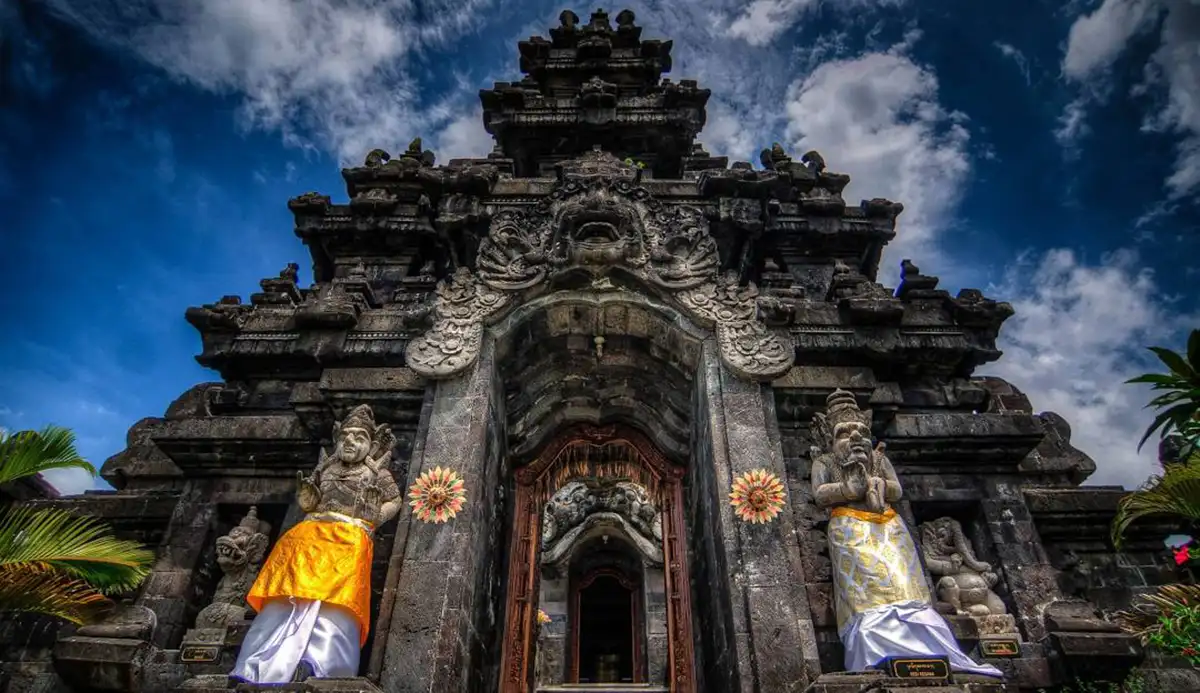
Bali Museum in Denpasar is a useful starting point for learning about the island's cultural history. Its ethnographic displays cover religious life, art, writing and everyday objects.
The collection helps connect ceremonial traditions with the practical details of Balinese life. Set aside time to explore the displays rather than making it only a brief stop between other attractions.
Location: Jl. Mayor Wisnu, Denpasar. Confirm current hours and admission with the museum.
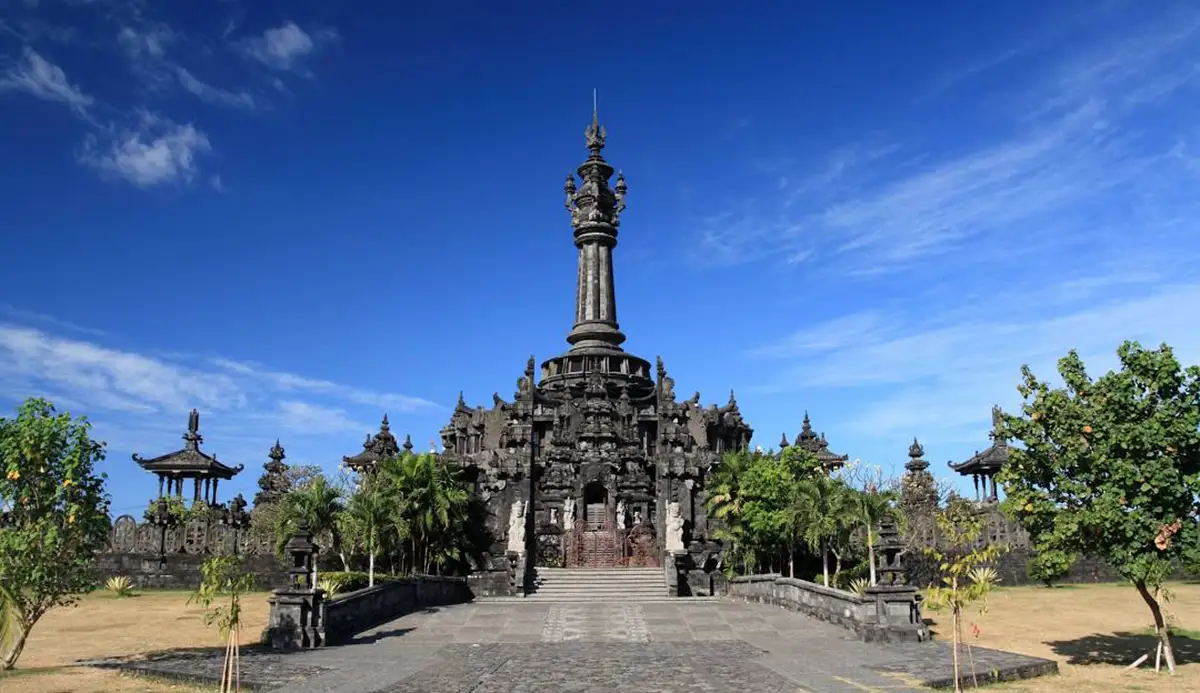
Bajra Sandhi commemorates the struggles of the Balinese people and Indonesian independence. Its architecture incorporates the symbolism of 17 steps, eight pillars and a 45-metre height, referring to 17 August 1945.
The monument and its historical displays offer context for visitors interested in more than the island's artistic heritage. Its setting in Renon also makes it a distinctive landmark in Denpasar.
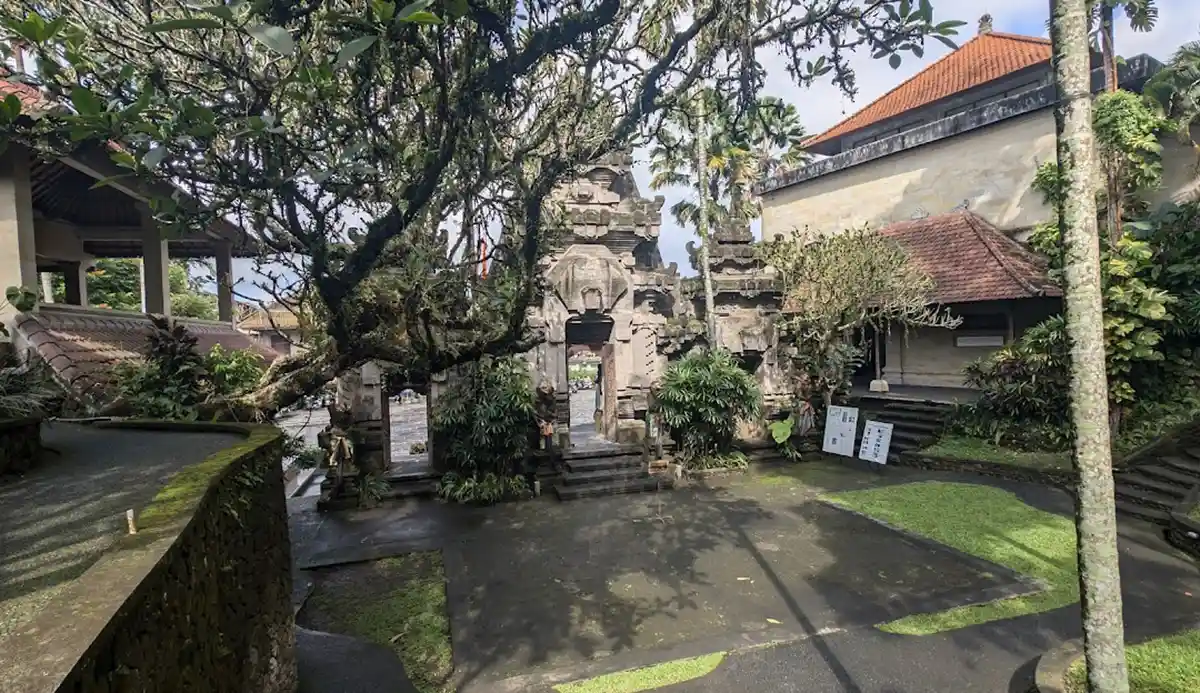
Museum Puri Lukisan, opened in 1956, is an important stop for Balinese painting and woodcarving. Works associated with the artistic changes of the 1930s help show how the island's visual traditions developed.
The collection includes styles connected with Kamasan and the Pita Maha movement, alongside works associated with artists such as I Gusti Nyoman Lempad. It is a rewarding place to look at details and compare different approaches to Balinese subjects.
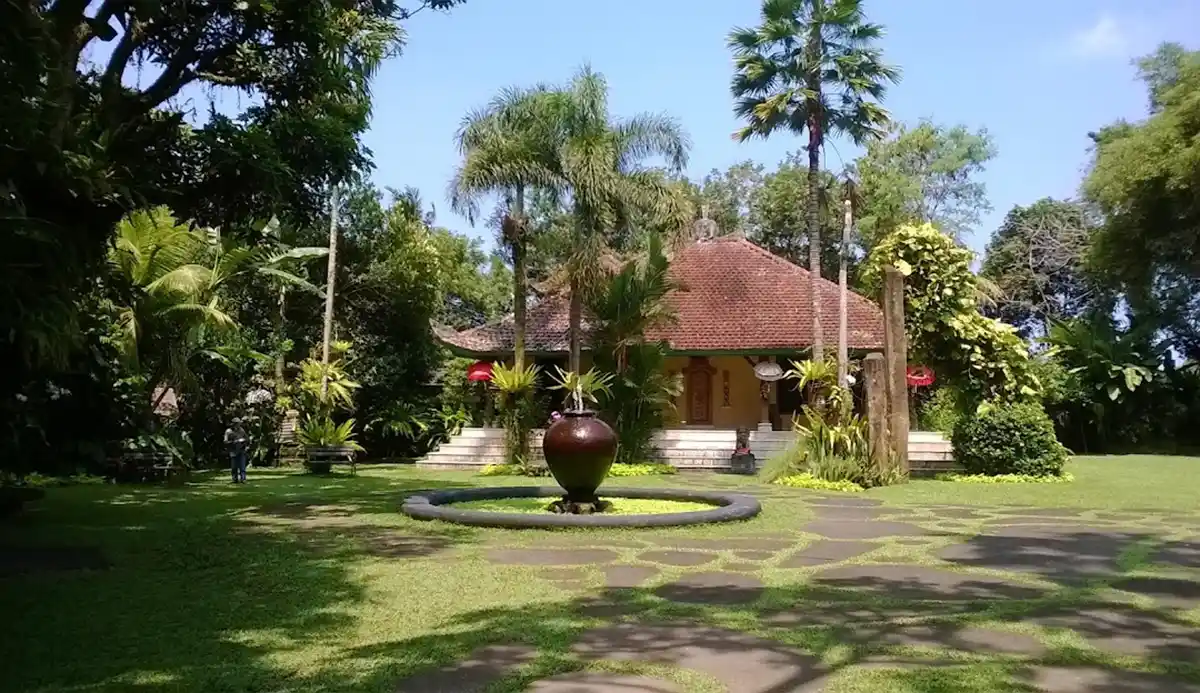
This museum presents the world of artist Antonio Blanco in Campuhan, Ubud. His paintings are central to the visit, with other objects such as ceramics, sculpture, jewellery and costumes adding context to the collection and setting.
The surroundings provide a greener, quieter contrast to central Ubud. Allow time for the house and gardens as well as the artworks.
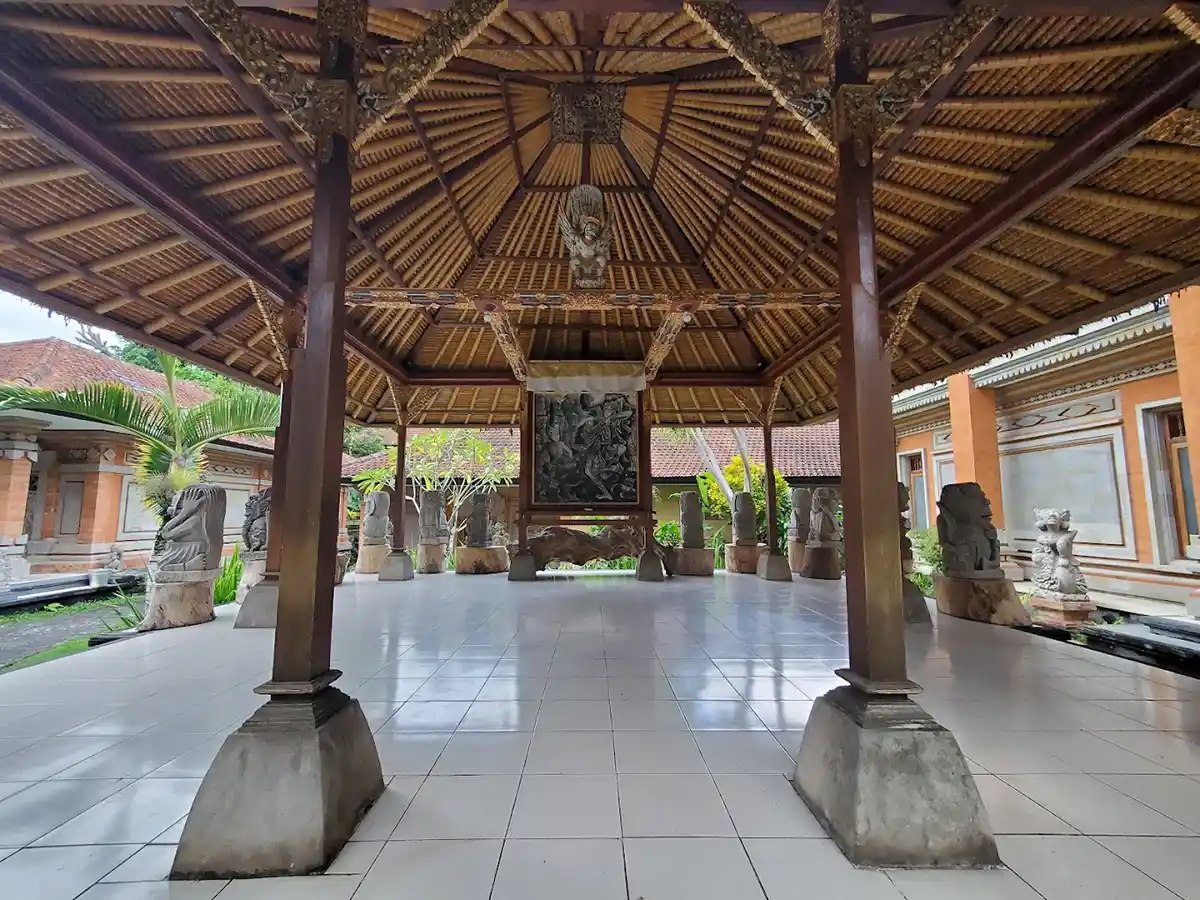
Opened in 1982, Neka Art Museum brings together paintings, sculptures, historical photographs and a collection of kris daggers. Its displays offer several ways to explore Balinese artistic development.
The variety makes it worth visiting even if painting is not your only interest. Take time to look at the relationship between individual artists, their subjects and the wider history represented in the museum.
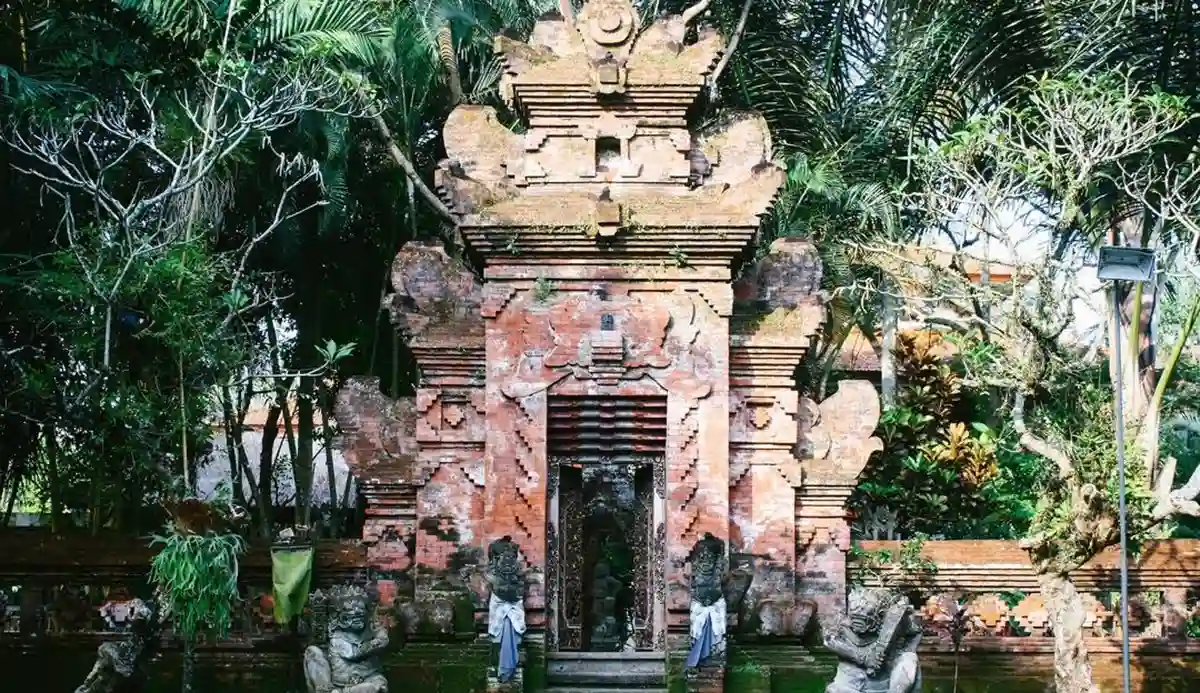
ARMA, established in 1996, exhibits works by Indonesian and international painters. Its collection places Balinese art within a wider creative conversation, making it an appealing stop for visitors who want to explore different perspectives.
The grounds and cultural setting add to the experience. Ask about any workshops, performances or other activities separately, as these may require a booking beyond general admission.
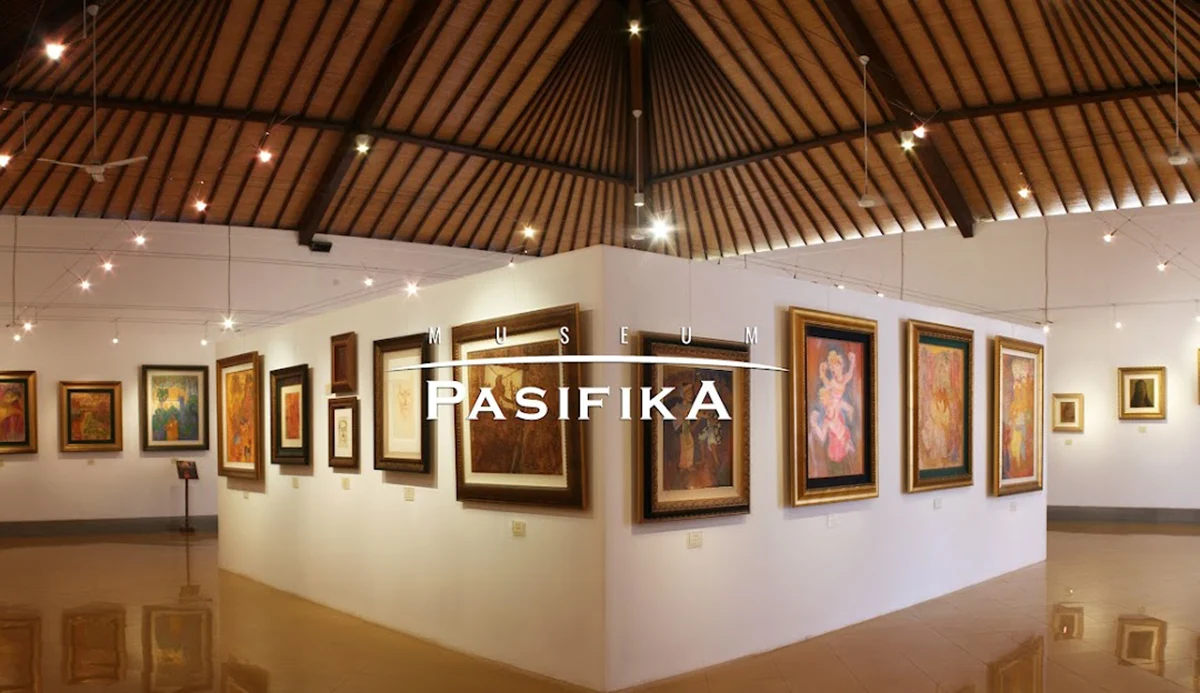
Museum Pasifika in Nusa Dua explores art from across the Asia-Pacific region. The source describes approximately 9,000 square metres of exhibition space within a 12,500-square-metre site, with 11 pavilions, gardens and a café.
Its displays connect Indonesian art with work associated with Italy, the Netherlands, France and other European countries, as well as Indochina, Polynesia, Tahiti, Vanuatu, the wider Pacific, Oceania and Asia. Temporary exhibitions can add another layer to the visit.
The guide also lists a library and outdoor event space; confirm access and the current programme rather than assuming every facility is open during a regular visit.
Location: Block P, the ITDC tourism complex in Nusa Dua, Benoa, South Kuta. Check current opening hours and ticket options directly.
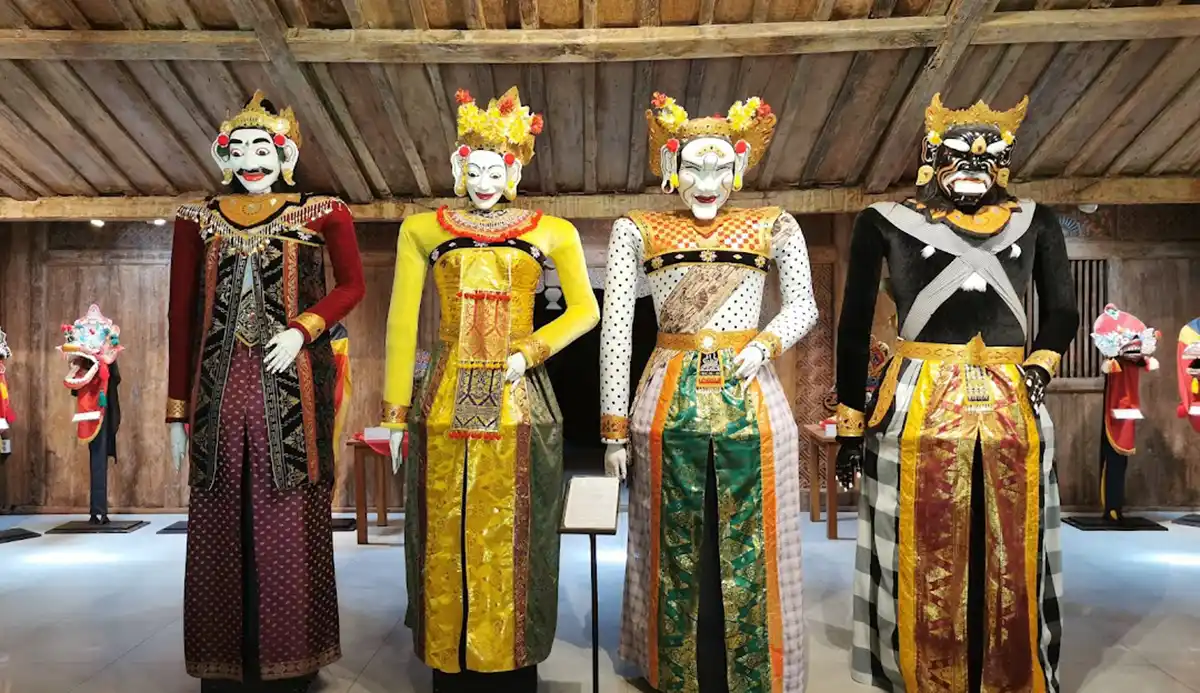
Setia Darma introduces the expressive world of masks and puppets. The original guide describes a collection of around 1,300 masks and 5,700 puppets, showing the richness of performance traditions and craftsmanship.
The displays reward close attention to faces, materials and characters. It is a different kind of museum outing from a painting gallery and can be particularly interesting for visitors curious about storytelling.
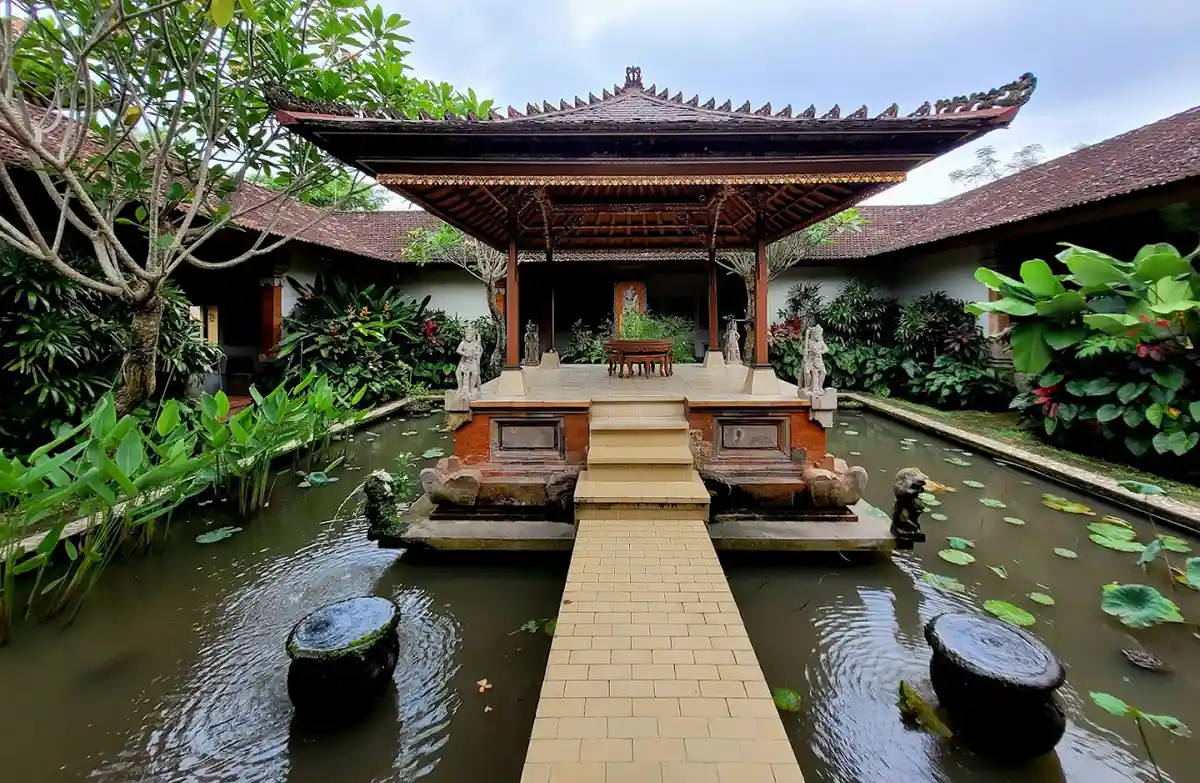
Museum Rudana displays Indonesian paintings and sculptures in Peliatan. Its collection adds another perspective to an Ubud art itinerary, especially for visitors who want to explore beyond a single major museum.
Leave enough time to appreciate the works and their setting. Combining two nearby collections can be enjoyable, but avoid scheduling so many museums that each becomes a rushed stop.
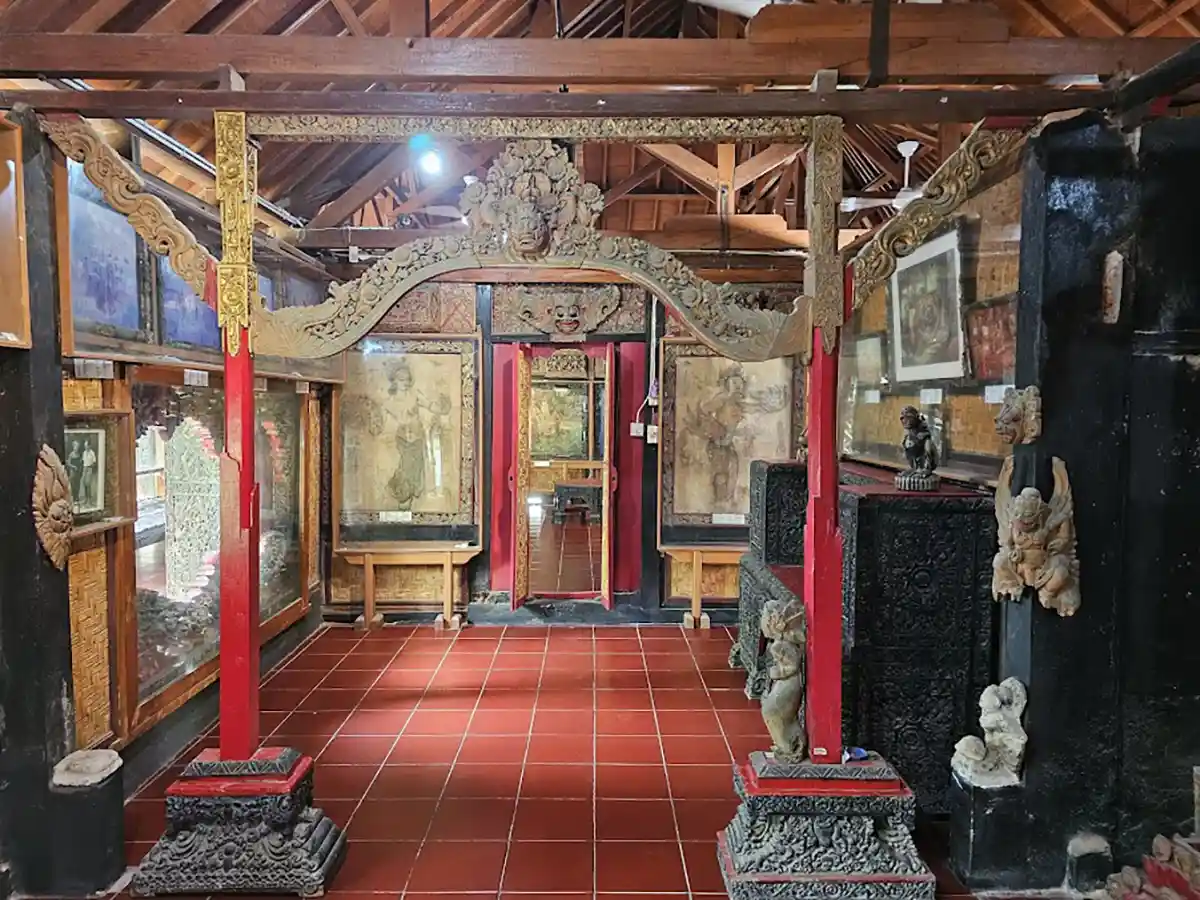
Le Mayeur Museum in Sanur preserves the work and domestic surroundings of Belgian artist Adrien-Jean Le Mayeur de Merprès. The source describes 88 paintings alongside furniture and household objects, including a bed, wardrobe and chairs.
The house setting gives the collection a more personal scale than a large institutional gallery. It can be combined with a Sanur outing while leaving time to explore the neighbourhood.
Group visits by area: Denpasar and Sanur, Ubud and its surroundings, or Nusa Dua. A realistic route leaves more time to look at the collections and less time crossing the island.
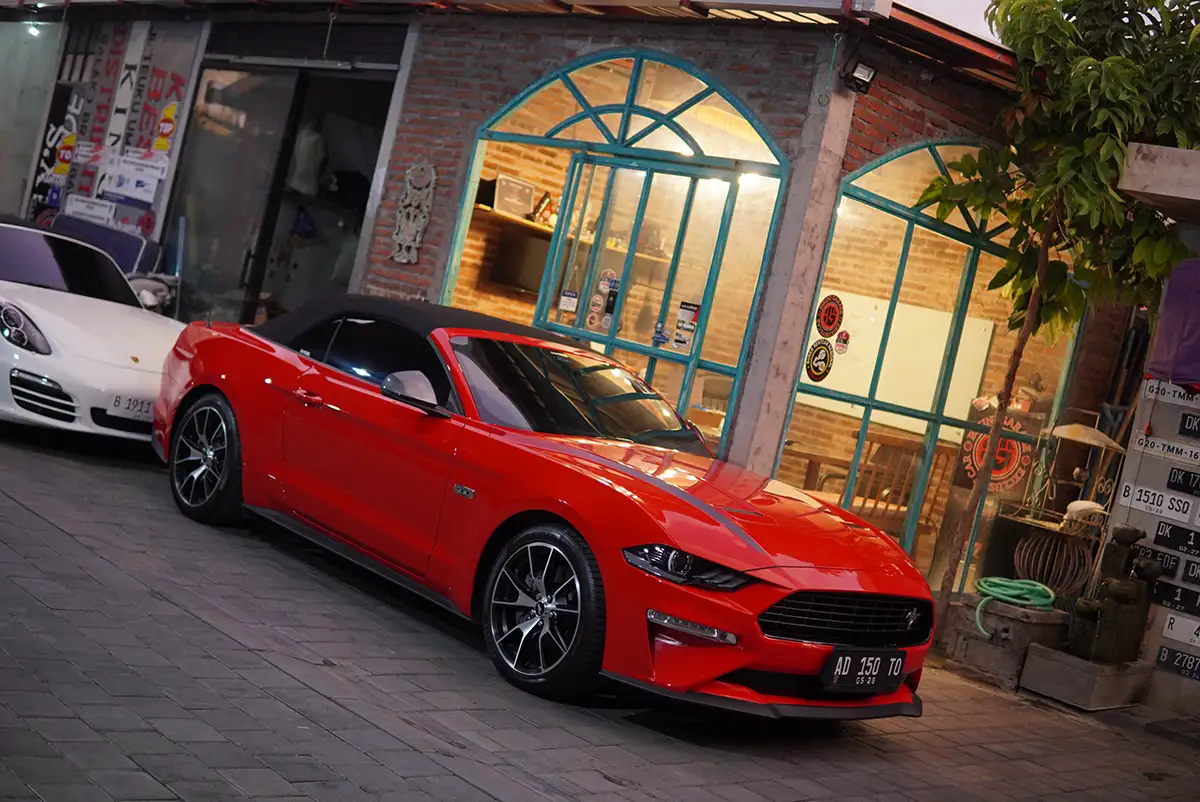
For comfortable transport, explore luxury car rental in Bali with Bikini Garage. The vehicle collection includes options such as MINI Cooper, Jeep, BMW, Mercedes-Benz, Alphard, Porsche and Ford Mustang Convertible. Discuss your group size and itinerary when choosing a vehicle.