Travelling alone in Bali gives you freedom to set your own pace, change plans and spend more time with the places that interest you. You can build a day around a quiet sunrise, a rice-field walk or a cultural performance without matching a group's schedule.
These eight destinations offer different ways to experience the island independently. Choose a few that fit your route rather than treating the list as a single itinerary.
Planning note: Prices, activity packages and most hours below are reference figures from the original guide, not current quotations. Confirm your ticket category, operator, opening schedule and weather conditions before booking. Driving times are approximate and can increase substantially in traffic.

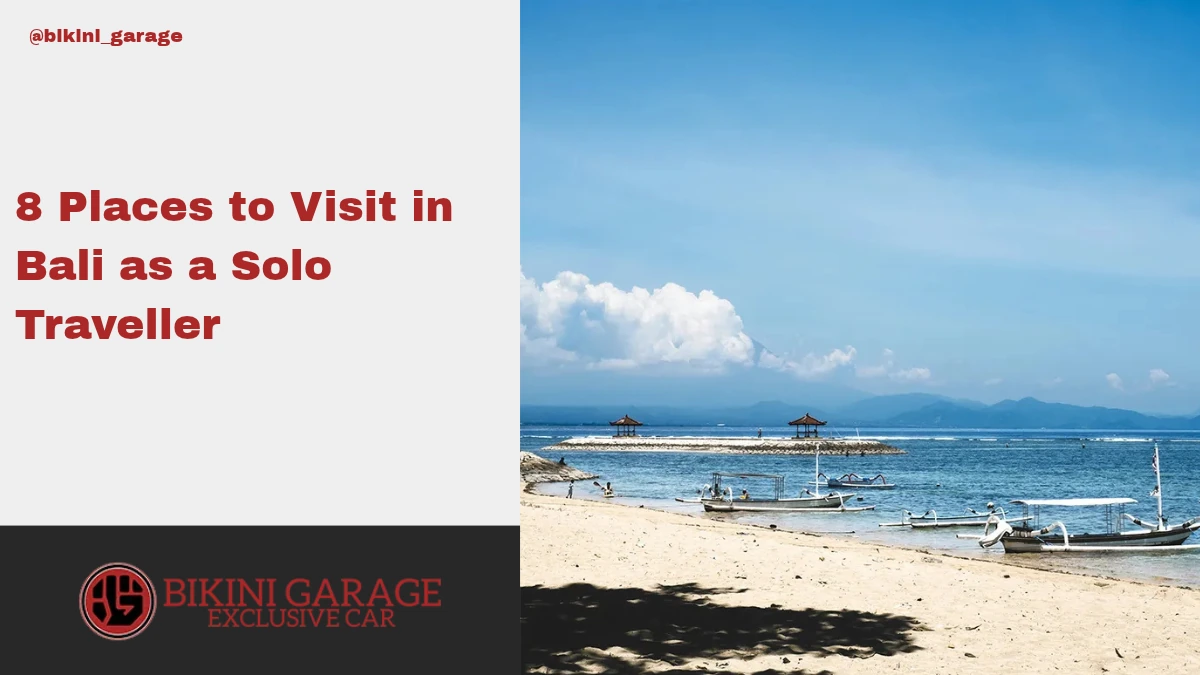
Sanur's east-facing coast is known for sunrise. It is one of several Bali coastlines where you can enjoy morning light, not the island's only sunrise beach.
The promenade, cafés and generally slower rhythm suit a solo walk or a quiet breakfast. The sea can look calm, but tides, currents and activity conditions still need checking; a sheltered appearance does not guarantee safe swimming.
Sanur extends along several access points in South Denpasar, including the northern beach area reached from around Jl. Danau Buyan and Hang Tuah. It is roughly 12 kilometres from parts of Kuta, with the actual journey dependent on your starting point and traffic.
Public beach access is generally available throughout the day, although businesses keep their own hours. Around 5:30 a.m. can be an early arrival for sunrise, but check the date's sunrise time and use a well-known access point.
Facilities along the coast include walking/cycling paths, parking, toilets, gazebos, cafés and warungs. Some access points are more accessible than others, so check the specific route if step-free access matters.
Le Mayeur Museum introduces the work of the Belgian artist who lived in Bali. The original guide quotes a Rp 25,000 ticket and Monday–Saturday hours around 8 a.m.–4 p.m.; confirm current categories and hours rather than assuming one rate covers everyone.
Other options include Taman Inspirasi Mertasari, with a source-era admission reference of Rp 20,000, Sindhu Beach and Kevala's ceramics. Food choices mentioned in the guide include:
Day idea: Sunrise, breakfast at Made Weti, a promenade ride, a museum visit, an optional booked water activity, Mertasari in the afternoon and dinner nearby. Leave space to simplify the day.
Bring sun protection, take rubbish away and ask before photographing ceremonies closely. Quieter travel periods depend on holidays and events; no month guarantees an empty beach.

Campuhan is a popular open-air walk above green valleys and tropical vegetation. A route of roughly two kilometres lets you move at your own pace, pause for photographs and enjoy the countryside close to Ubud.
The confluence associated with the area has spiritual significance locally. Respect nearby temple grounds and keep clear of narrow-path edges when stopping.
A common starting point is near Pura Gunung Lebah and the Ibah entrance, close to the Blanco Museum. Follow the signed path and steps from the main-road area. The route continues towards Bangkiang Sidem and the Karsa Café area; the full outing takes longer than a quick 15-minute photo stop.
The entrance is near central Ubud, but a drive from Kuta can take considerably longer than one hour in busy conditions. Choose a known meeting point if arranging a pickup.
Early morning around 6 a.m. or late afternoon is generally more comfortable than midday. Although the path is not a conventional gated attraction, it is unlit: avoid walking it after dark.
The walk is generally free, with possible parking charges around Rp 2,000 for motorcycles and Rp 5,000 for cars, plus voluntary temple-area donations. Carry water and snacks; toilets and food stops are concentrated near access points and the village end rather than throughout the exposed ridge.
Karsa Café offers a place to pause farther along the route, while local warungs and central-Ubud cafés provide other options. Keliki and its food stops are a separate village outing, not the immediate end of every Campuhan walk.
Nearby or wider-area attractions include Kajeng's rice-field walks, Puri Lukisan, Neka Art Museum, Blanco Museum and Monkey Forest. Choose according to the time you have rather than trying to cover them all after a long walk.
Wear comfortable shoes, carry a charged phone/camera and leave the path clear for others. Avoid cycling through busy pedestrian sections and carry all litter out.

Ceking's layered rice terraces create one of Bali's best-known landscapes. Walking slowly, speaking with farmers where welcome or stopping for coffee can be especially enjoyable alone.
The terraces reflect Bali's subak irrigation traditions. UNESCO recognition applies to specifically designated cultural-landscape sites; it should not be interpreted as a blanket listing of every commercial terrace attraction in Tegallalang.
The main visitor area is on Jl. Raya Tegallalang, Ceking, around ten kilometres north of central Ubud. The source's 20–30-minute transfer is only an approximate reference; allow more when traffic is heavy.
Early morning around 6–9 a.m. or later afternoon can be more comfortable. Individual paths, cafés and activity operators keep their own schedules, commonly into late afternoon.
Carry cash, keep receipts and clarify which area a payment covers. Different attractions along the road are not necessarily covered by one ticket.
Facilities can include parking, toilets, food stalls, shops, rest areas and guides, but rice-field paths may be uneven or muddy despite some paved sections. Follow marked routes and do not damage crops for a photograph.
Walk the terraces, book an appropriate swing experience, talk respectfully with farmers or enjoy coffee overlooking the fields. Tirta Empul, Gunung Kawi and commercial swing parks are other possible stops, each with separate admission and visiting rules.
Roadside cafés offer local food and Bali coffee, including Kintamani arabica. Gangga Coffee is another name mentioned in the source, but verify the branch and location before adding it to a terrace route.
Bring suitable footwear and sun protection. Ask before close-up photographs of working farmers and before using a drone.

Uluwatu combines a sacred temple setting with dramatic Indian Ocean views from high limestone cliffs. For a solo visitor interested in scenery and culture, the scheduled Kecak performance is a memorable way to spend an evening.
The open-air show tells a Ramayana story through chanting and movement. Sunset can form the backdrop to the earlier performance, depending on the date and weather.
The temple is in Pecatu, South Kuta, roughly 27 kilometres by road from the airport depending on the route. Do not rely on the source's 45–65-minute transfer without allowing for current traffic.
The guide lists temple visiting hours around 7 a.m.–7 p.m. and Kecak sessions around 6–7 p.m. and 7–8 p.m., lasting roughly an hour. Confirm the day's official performance schedule and tickets. Arriving around 4:30–5 p.m. can leave time to explore before a booked early show.
Book through the venue or a reputable authorised channel, especially for holidays, and arrive at least 30 minutes before the booked performance. Seating and sunset views depend on the allocated or available position.
Visitor facilities include information points, toilets, souvenir stalls, food options and site staff. Follow the actual on-site security and access guidance rather than assuming any particular staffing or equipment count.
Padang Padang, GWK and Jimbaran are possible separate stops. GWK's landmark statue is approximately 121 metres high. Padang Padang is a surf beach, not an automatically suitable snorkelling spot.
Sea-cave and Batu Bolong temple visits belong to a separate Tanah Lot outing.
Dress according to temple rules, cover shoulders and knees as directed, and keep food and loose belongings secure around macaques. Stay behind cliff barriers and do not enter closed areas. Arrange the return journey before the performance.

Tanah Lot's temple on a rocky sea outcrop is one of Bali's signature views. A solo visit can include the coastal grounds, art market, cultural context and sunset without a rushed group schedule.
This is a living religious site. Visitors can explore permitted areas, while access to sacred spaces and the causeway depends on rules, ceremonies and tides.
Tanah Lot is in Beraban, Kediri, Tabanan 82121, approximately 13 kilometres from Tabanan town. Transfers from the airport or southern resort districts can be much longer than an optimistic one-hour estimate.
The source lists roughly 6 or 7 a.m.–7 p.m. visiting hours. Late afternoon around 4–6:30 p.m. is popular; morning offers a different, often quieter atmosphere. Check current opening and sunset times.
The grounds have visitor information, parking, toilets, shops, food stalls and site staff. Carry small cash and ask about any additional service before accepting it.
Explore permitted views of Tanah Lot and nearby Batu Bolong, the temple associated with a natural rock opening. Other places mentioned in the guide include the holy-snake and holy-water areas, Enjung Galuh, the Tri Antaka monument and the art market.
The water and snakes have religious significance; do not treat them as a health remedy or assume handling wildlife is part of a visit. Follow custodians' directions and tide-related closures. Low tide does not automatically give general access inside the main temple.
Taman Ayun in Mengwi, roughly 15 kilometres away, Beraban village and the Canggu/Berawa coast are separate itinerary options. On-site warungs and viewpoint cafés offer places for a meal or drink.
Dress respectfully, charge your camera, avoid approaching the outcrop during high seas and bargain politely in the market. Keep clear of worshippers and restricted areas.

Nusa Penida lies southeast of Bali and offers steep cliffs, dramatic viewpoints and beaches reached by challenging paths. It can be rewarding alone, but transport and a realistic plan matter more than trying to reach every famous photograph spot.
Fast boats operate from Sanur and other ports such as Kusamba. The Sanur crossing is often around 45–60 minutes, depending on the operator and sea conditions.
The source quotes Rp 150,000–200,000 return fares, but ticket categories and inclusions vary considerably: do not assume that range applies to all passengers or operators. For a day trip, confirm an early outbound sailing and a realistic afternoon return. Staying one or two nights allows more time.
Ask whether these are access, parking or local charges and confirm the applicable current fees.
Kelingking's distinctive headland, Broken Beach's natural arch, Angel's Billabong and Crystal Bay can form a west-island route. Diamond Beach is on the east side and needs separate driving time; it is not a quick addition to every west-coast day trip.
The original guide's scooter-hire reference is Rp 75,000–100,000 per day. A scooter is optional, not compulsory or the best choice for every solo traveller: steep, rough or unfamiliar roads may make a booked driver more suitable. Confirm the vehicle and your ability before deciding.
Accommodation and warungs are available, but facilities and ATMs are less convenient around some remote stops. Carry water and sufficient cash. Start with the farther stops on your chosen route and allow a generous return-to-port buffer.
Kelingking and Diamond have steep access paths; staying at a viewpoint is a valid choice. Angel's Billabong and Crystal Bay require attention to swell and currents, so do not assume natural pools or clear water are safe for swimming. Follow boat cancellations and local warnings in rough weather at any time of year.
For more detail, see how to get to Nusa Penida from Bali and the West Nusa Penida guide.

Kintamani offers cooler air and views of Mount Batur and Lake Batur. It suits both visitors who want a planned mountain hike and those who prefer a scenic café stop.
The area is roughly 65 kilometres from Denpasar, depending on the route. Transfers from Ubud also vary substantially; do not assume the entire highland area is only 30–40 minutes away.
Mount Batur is an active volcano approximately 1,717 metres above sea level. Sunrise-hike packages involve an early departure, often around 2–3 a.m. depending on pickup and starting point. Arrange an experienced local guide, confirm the currently permitted route and follow weather or volcanic-activity restrictions.
A non-hiking visit can focus on Penelokan's views, a restaurant overlooking the lake or a separately booked hot-spring session. Trunyan is another cultural outing with its own access and visiting arrangements.
Pura Ulun Danu Batur is in the Batur/Kintamani village area, not a lakeside temple like Ulun Danu Beratan. Check the correct map pin and temple rules before visiting.
Bring warm layers, a torch/headlamp for an organised pre-dawn hike, water and snacks. Avoid hiking in poor conditions, and do not assume a clear sunrise or a sea of clouds is guaranteed.
Jimbaran's wide sandy coast and seafood restaurants make it an appealing place to finish a solo day. Dining alone can be an unhurried experience: choose what you want, enjoy the sea air and watch the light change.
The beach is generally accessible throughout the day, while restaurant service commonly extends from around 11 a.m. until 10 or 11 p.m. Arrive before the date's sunset time—often around 5:30–6 p.m. for seating—rather than assuming sunset always occurs between 6 and 7 p.m.
Jimbaran is around 7–8 kilometres from the airport, depending on the beach and route. Allow a substantial flight buffer; proximity does not guarantee a 15-minute journey.
Beach entry is generally free, subject to local parking/access charges. The source's seafood-meal reference is Rp 100,000–300,000 per person, but lobster, crab and premium fish can cost far more. Confirm the species, weight, price per kilogram and cooking charges before ordering.
Menega Cafe and other Muaya/Jimbaran Bay seafood restaurants are options to research. Warung Ibu Oka is associated with Ubud and should not be treated as a confirmed Jimbaran seafood venue.
A beach walk, time in the sand and a meal can be enough for one visit. Check local conditions before swimming. Parasailing is more commonly arranged through water-sports operators in areas such as Tanjung Benoa; do not expect it as a standard Jimbaran beach activity.
Kedonganan's fishing area lies to the north, while GWK and Uluwatu require separate drives. Combine them only if the timing works.
Bring cash for smaller warungs, sun protection for daytime and a clear return-transport plan. Ask about prices before committing to a seafood order.
For travel to Kintamani, Uluwatu, Jimbaran and other Bali destinations, explore luxury car rental with Bikini Garage. Options include BMW, Mercedes-Benz, Porsche, Jeep Rubicon, MINI Cooper, Ford Mustang Convertible and Alphard. Discuss the route, luggage and self-drive or chauffeur arrangements before booking.