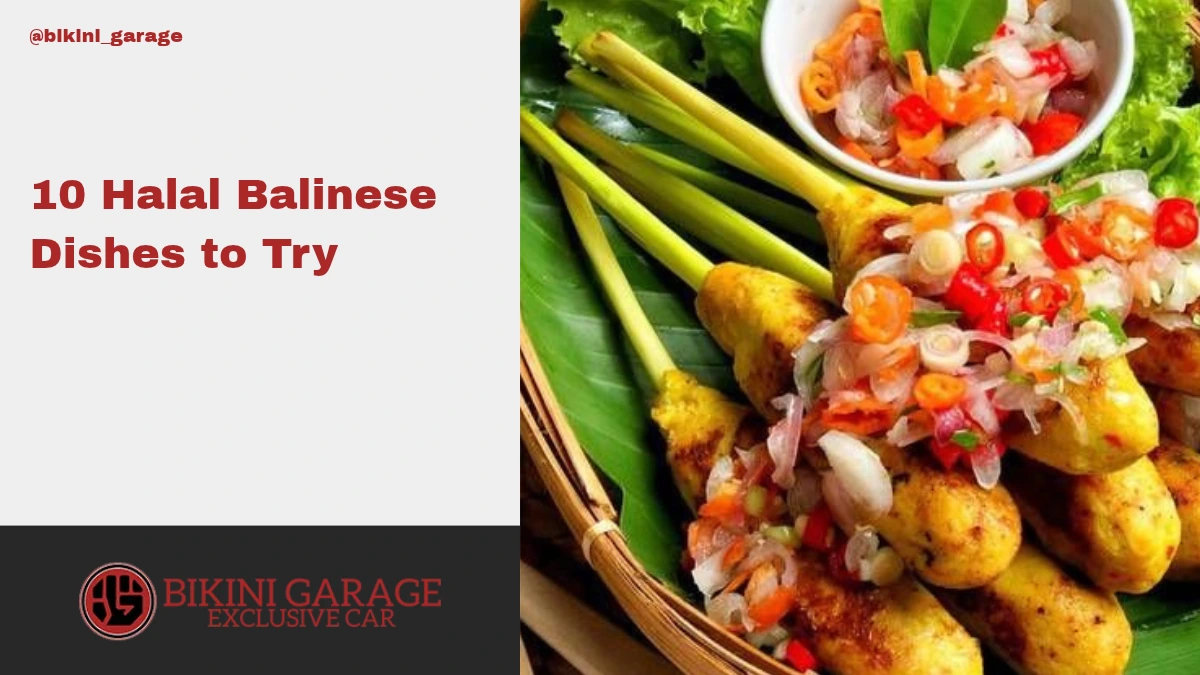
A trip to Bali can be as much about food as beaches and temples. Muslim travellers may understandably want to check ingredients and preparation before trying local dishes. Fortunately, many familiar Balinese foods are available in halal versions.
From chicken and duck dishes to snacks, the island's cooking offers aromatic spices and plenty of variety. The dishes and restaurant names below come from our original guide. A dish name, chicken or fish base, or a restaurant's popularity does not itself prove halal status: confirm current certification, ingredients and preparation with the seller, especially where pork or alcohol is also handled.

Betutu is a Balinese classic made by slowly cooking duck or chicken with a rich spice mixture, sometimes overnight. The long cooking time helps the seasoning penetrate the meat, producing a savoury, spicy and fragrant dish.
Duck offers a rich flavour and tender texture, while chicken is another popular choice. Halal versions can be found at suitable restaurants in Denpasar, Ubud and other tourist areas.
Places to investigate from the source guide:
Confirm the branch's current halal information before ordering.

Sate lilit uses minced meat mixed with Balinese seasonings, wrapped around a skewer or lemongrass stalk and grilled. Lemongrass adds fragrance to the smoky, spiced mixture.
For a halal version, chicken or fish such as mackerel are possible ingredients, subject to the preparation. The soft-textured satay works with rice or as part of a nasi campur plate.
The source suggests checking Warung Wardani in Denpasar, Warung Nasi Ayam Kedewatan Ibu Mangku in Ubud, Warung Sate Lilit Tuna Bu Saif in South Denpasar, and Warung Nasi Ayam Ibu Oki in Nusa Dua. Ask each venue about its current ingredients and halal arrangements rather than relying on the dish name alone.

Nasi campur brings several side dishes together on one plate of rice. A chicken-based version may include:
Fresh, spicy sambal matah adds another characteristic Balinese flavour. Ingredients vary, particularly in lawar and satay, so check the complete plate.
The source guide names Warung Wardani in Dangin Puri Kauh, Denpasar; Warung Nasi Ayam Ibu Oki, with branches listed in Jimbaran, Nusa Dua, Tuban, Ungasan and Sanur; and Warung Nasi Bali Men Weti in Sanur. Their chicken rice combinations may include shredded chicken, eggs, vegetables, crispy chicken skin and sambal. Verify current menus, branch locations and halal information directly.
Read also: Kedonganan Fish Market and Seafood Grilling.

For a change from sweet fruit salad, try rujak kuah pindang: sliced young mango with a savoury, spicy fish broth. The combination is sour, fresh and slightly salty.
Rujak bulung includes chewy seaweed, with variations in the dressing and accompaniments. These refreshing snacks suit a warm afternoon.
The source names Warung Rujak Glogor in West Denpasar as one place to ask about these dishes. Check the broth, condiments and preparation for your dietary needs.

If you enjoy gado-gado, tipat cantok offers a Balinese alternative: rice cakes with boiled vegetables such as bean sprouts, water spinach and long beans, fried tofu and freshly ground peanut sauce.
Tipat refers to the rice cake. The original guide describes it with coconut milk, but recipes vary; ask the seller about the preparation and sauce ingredients rather than assuming every version is vegetarian or halal.
The source suggests Warung Vege in Denpasar and Warung Men Runtu in Sanur as places to check for tipat cantok and local dishes.

Nasi jinggo is a small, affordable rice meal, traditionally wrapped in banana leaf. Accompaniments can include spicy shredded chicken, stir-fried vegetables, peanuts and a small satay.
One story in the source connects its name with an earlier Rp1,500 price. Today's prices and fillings vary. It is commonly found around Denpasar, Kuta and Ubud for a quick meal or an evening snack.
Names in the source include Nasi Jinggo Muslim Bu Sulis and Nasi Jinggo Halal Bu Ida in Denpasar, and Nasi Jinggo Muslim “Cak Man” in Kuta. Confirm their current location, opening times and ingredients before visiting.
Read also: Restaurants Serving Balinese Food.

Associated with Gianyar, nasi tepeng has a softer rice texture and aromatic seasoning. Typical accompaniments mentioned in the source include long beans, young jackfruit, red beans and sate lilit.
Its savoury, lightly spicy character makes it an option for breakfast or lunch. Check the stock, side dishes and satay ingredients when seeking a halal version.

Bubur mengguh is a savoury porridge with chicken broth and vegetables dressed with coconut. Shredded chicken, peanuts and sometimes boiled egg provide additional texture.
The combination of soft porridge, rich broth and fresh vegetables makes a filling breakfast. Ask about the broth and toppings before ordering.

Although better known as a Betawi dish, nasi uduk is also available in Bali, sometimes with local accompaniments. Rice cooked with coconut milk and aromatic seasonings is served with choices such as fried chicken, tempeh, tofu and sambal.
It can be a simple, satisfying alternative during a food trip, provided the ingredients and preparation meet your requirements.
Read also: Instagrammable Places to Eat in Bali.

Tum ayam resembles a steamed parcel or pepes. Minced chicken is mixed with Balinese spices, wrapped in banana leaf and steamed, giving a fragrant, savoury and spicy result.
It can appear as a side dish on a nasi campur plate. The original guide mentions Nasi Campur Bali HALAL at Gang Zambex 1 No.1, Denpasar, as one place to ask about it. Verify the venue's current information before visiting.
After trying betutu, sate lilit or a suitable nasi campur, you can continue to Bali's beaches and cultural villages. For comfortable transport between stops, explore luxury car rental in Bali with Bikini Garage and choose a vehicle that suits your group and route.