Bali has something to offer throughout the year, but choosing when to visit can shape your trip as much as choosing where to stay. Weather, festivals, crowds and accommodation prices all change across the seasons. The best month depends on whether you want beach days, cultural outings, wellness activities or a lively year-end celebration.
This guide compares seven useful travel periods, with places to visit, itinerary ideas and practical advice. Prices and venue hours from earlier listings are reference figures rather than live quotations. Confirm them before booking, and check each festival's current dates: events do not necessarily return in the same month every year.
Bali generally has a drier season from April to October and a wetter season from November to March, with variation between years and regions. Lowland days are warm, often in the upper twenties to low thirties Celsius; the highlands can be considerably cooler.
The dry season often suits outdoor sightseeing and surfing, although suitable surf conditions depend on the beach, swell and your ability. Wet-season rain can make rice fields and forests especially green. Accommodation outside holiday peaks may cost less, but heavy or prolonged rain is possible, and waterfalls or rivers can become unsafe. A rainy-season visit needs flexibility rather than an assumption that showers will always pass quickly.

Best for: photographers, backpackers, honeymooners and travellers seeking a balance of weather and crowds.
May is often a useful compromise: the dry season is developing, while the busiest July–August period has not yet arrived. It is not necessarily Bali's least rainy month, and clear skies are never guaranteed. Think fresh mornings, brighter days and a calmer atmosphere than at the height of summer holidays.
Places to visit:
Events to look for: Ubud Food Festival combines chefs, demonstrations and food producers, while the Bali Trail Running Ultra appeals to runners seeking a mountain challenge. Check their announced dates before making either the centrepiece of a May itinerary.
A three-day plan:
Major visitor areas generally have food stalls, toilets, parking and ATMs, but facilities are more limited at remote viewpoints. Book boats ahead for busy dates, carry sun protection and plan transport carefully. Wear the required sarong and sash at temples, avoid disturbing offerings, and do not swim at Kelingking: powerful waves and currents make it dangerous.

Best for: culture lovers, families and photographers.
June often brings dry-season weather and the start of busier travel weeks. Cultural performances, exhibitions and village events can make the island feel particularly colourful. Crowds vary with school holidays and the event calendar.
Places to visit:
Events: Pesta Kesenian Bali, or the Bali Arts Festival, is traditionally held from around mid-June to mid-July at Denpasar's Art Centre. Dance, gamelan, theatre, exhibitions and crafts feature prominently, with many performances free. Tenganan's Perang Pandan follows the village's ritual calendar, so confirm the date and visitor etiquette. Balinale film screenings are another event to check against the year's published schedule.
Food stops: Nasi Ayam Kedewatan Ibu Mangku is known for Balinese chicken rice; the earlier Rp25,000–Rp40,000 budget is only a reference. For a special meal, the Locavore team now welcomes guests at Locavore NXT in Lodtunduh. Consult its current tasting-menu prices and reserve ahead rather than relying on the old central-Ubud listing or Rp800,000 estimate.
A comfortable rhythm: visit temples or landscapes in the morning, rest over lunch, and leave the afternoon for an art market, sunset or festival performance. Explore dinner options in your chosen area instead of crossing the island unnecessarily at night.
Book accommodation early and consider weekday festival visits. Look beyond Kuta and Seminyak: Ubud and Karangasem offer worthwhile cultural experiences too.
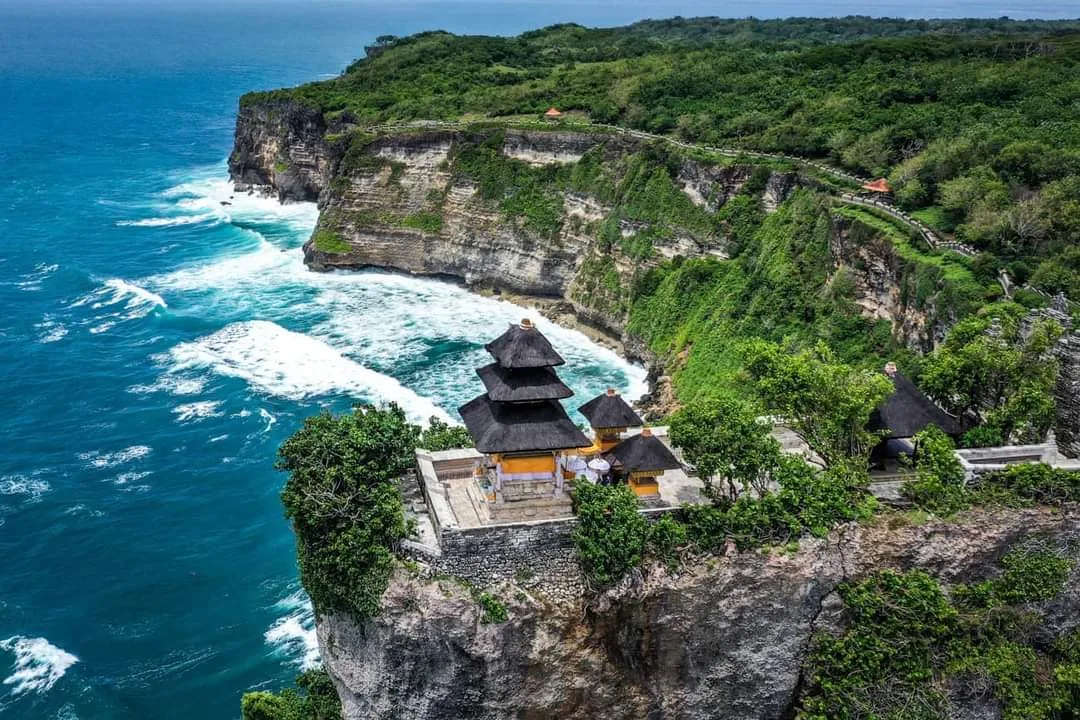
Best for: surfers, nightlife seekers and travellers who enjoy a lively atmosphere.
These are among Bali's busiest months, coinciding with northern-hemisphere summer holidays and winter holidays for many Australian visitors. Weather is often relatively dry, but it is not invariably perfect. Popular hotels, attractions and roads can be crowded, and accommodation prices may rise substantially; the earlier reference 30–70% increase is an illustration, not a fixed rule.
Places to visit:
Events: large traditional kites are a highlight of the windy season, with gatherings around Padang Galak and Mertasari depending on the calendar and conditions. Check announcements for Lovina Festival and Ubud Village Jazz Festival rather than assuming fixed late-July or early-August dates. The earlier jazz-ticket estimate starts at Rp300,000, but current passes vary.
Dining: La Plancha's colourful beach seating is a familiar sunset option; Rp70,000 drinks are an older reference, not a current menu promise. Older recommendations for Sarong refer to a former restaurant listing, so confirm a currently operating alternative. Choose an operating restaurant and confirm directly.
Reserve accommodation two to three months ahead for popular dates, visit busy attractions early and allow generous journey times. Carry sun protection and some cash for areas with unreliable signal or limited ATMs. Do not leave valuables unattended on the beach or underestimate Uluwatu's surf and currents.
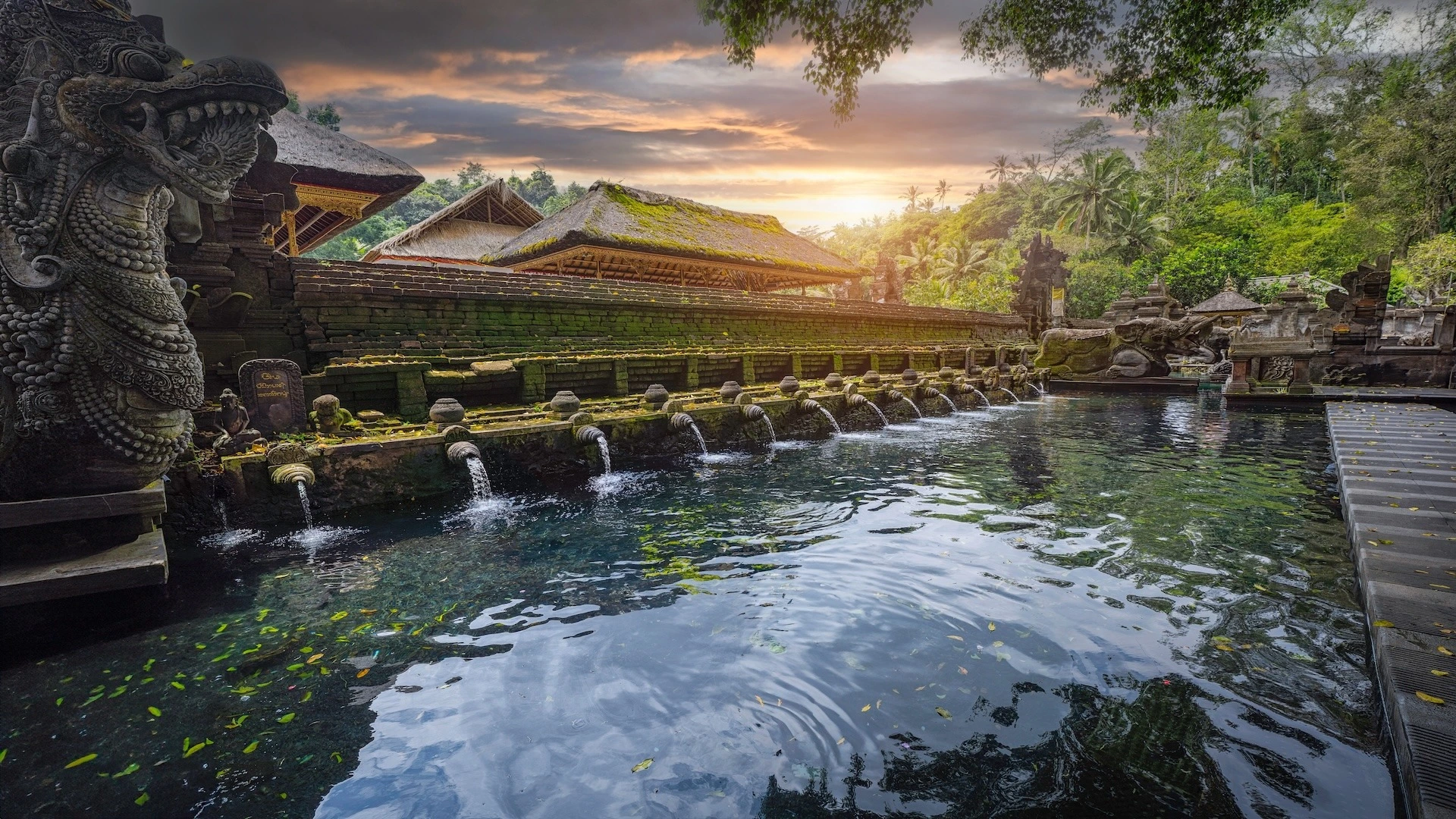
Best for: solo travellers, couples, photographers and visitors seeking good weather without peak-season crowds.
September can offer a useful balance as some school-holiday demand eases while the dry season continues. Rates may fall from their July–August peaks, although popular areas and individual dates can still be busy. The overall mood is often more relaxed and suited to a slower trip.
Places to visit:
Events: look for the announced programmes of Minikino Film Week and Bali Rockin Blues. Film screenings and music events can be spread across different venues and may not fall on the same dates each year.
Food stops: Ibu Oka in Ubud is a well-known babi guling option, with a historical Rp60,000–Rp90,000 meal estimate; go early and check opening hours. Mozaic offers a more elaborate dining experience combining French techniques and local ingredients. The earlier reference Rp1,000,000-plus budget should be checked against the current menu.
For a longer East Bali route, consider Taman Ujung, Tirta Gangga, Tenganan or Amed's coast. Select a few compatible stops and allow more than the optimistic 1.5-hour Ubud–Karangasem estimate when traffic is heavy.
Use quieter periods for photography and compare hotel offers, but do not assume every last-minute deal is better. East Bali rewards the extra travel time if you give it enough space in the itinerary.
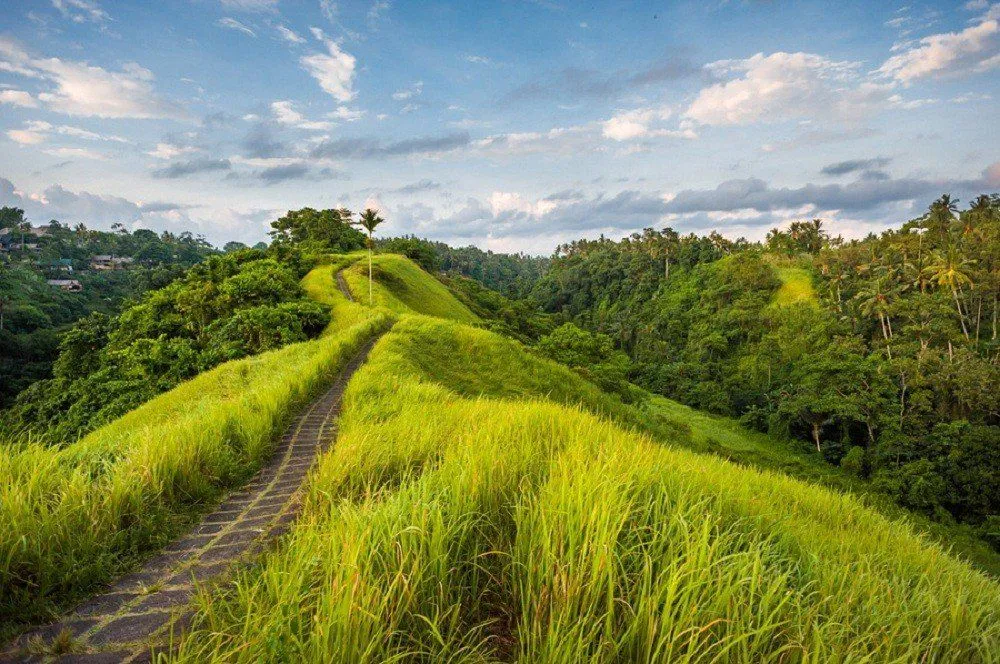
Best for: families, yoga enthusiasts and travellers interested in wellness or spiritual traditions.
April is a transition month: sunnier days become more common while rain remains possible and the landscape is often green. Prices can be lower than in the main dry-season peak, although Easter and other holidays may bring crowds.
Places to visit:
Events: BaliSpirit Festival brings yoga, music and wellness together, but its dates, venues, duration and passes change; do not rely on the older six-day, USD30–USD80-per-day description. Semarapura Festival in Klungkung is another calendar to check for arts, Endek and Songket textiles and local culture.
Dining: older recommendations include Sari Organik for a rice-field meal, with dishes from Rp50,000. Verify the exact venue and whether it is operating before setting out. Cuca in Jimbaran offers creative tapas, cocktails and desserts using locally sourced ingredients; the older Rp400,000-plus estimate is only a starting reference.
Bring a light jacket for cooler evenings inland and reserve popular classes early. Nyepi follows the Balinese calendar, usually falling in March rather than being a fixed April event. If your dates overlap it, follow your accommodation's guidance, remain within the property, minimise light and noise and arrange meals in advance. It is a sacred day of silence, with major travel restrictions, not a normal sightseeing day.

Best for: value-conscious travellers and visitors interested in local culture.
October can still offer pleasant outdoor days, with increasing chances of rain as the season changes. Crowds and rates may be lower than in July and August, depending on school holidays and specific dates. Rain is not guaranteed to be short or limited to late afternoon.
Places to visit:
Events: Kuta Karnival and Nusa Dua Festival have appeared in past tourism calendars. Treat them as events to look up, not guaranteed annual October fixtures; confirm that an edition has actually been announced before arranging your trip around it.
Dining: Jimbaran seafood restaurants offer beachside meals, with an older estimate of Rp150,000–Rp400,000 per person depending on what you order. Check the menu and seafood weights first. Men Weti is associated with Sanur, not Nusa Dua; the earlier Rp20,000–Rp35,000 meal estimate should be confirmed locally.
Uluwatu, Jimbaran and GWK can form a sensible South Bali route, but allow for traffic rather than relying on fixed 15–30-minute transfers. GWK's landmark statue reaches 121 metres. Consult the official ticket page for current admission; the regular ticket listed during this review was Rp150,000, replacing the older Rp125,000 reference.
Compare hotel deals, visit Penglipuran on a weekday if possible and keep a rain plan ready. Carry suitable mosquito protection for outdoor evenings and adjust your itinerary when weather warnings or closures apply.

Best for: families, groups of friends and travellers who enjoy festive celebrations.
December combines the wet season with a sharp rise in demand around Christmas and New Year. Early December is often quieter than the final holiday week, but dry weather is not assured. Later in the month, bookable restaurants, hotels and event venues can fill quickly.
Places to visit:
Events to check: Pandawa Festival, GWK Bali Countdown, Denpasar Festival and Pemuteran Bay Festival have featured in Bali's event calendar. Confirm each year's dates and location; not every event is guaranteed to run in December. Pemuteran is in North Bali and requires separate travel planning from southern venues.
Dining: older Metis recommendations refer to a former Kerobokan restaurant, so do not rely on that listing for a booking. Choose and reserve a currently trading venue instead. Its Rp600,000-plus estimate belongs to the older listing. Warung Sulawesi was also suggested at Rp25,000–Rp50,000; verify the exact venue, current location and opening hours before travelling there.
Reserve popular accommodation two to three months ahead for roughly 24 December–1 January. The first part of December, often through around the 20th, can offer a calmer experience, subject to the calendar. Arrange your celebration and return transport early, carry rain protection, and allow substantial extra time on southern Bali's roads around late December and early January. Cloud cover does not eliminate sun exposure.
| Period | Typical conditions | Crowds and prices | Best suited to |
|---|---|---|---|
| May | Early dry season; some rain possible | Often moderate | General sightseeing and photography |
| June | Often relatively dry | Becoming busier | Arts and culture |
| July–August | Usually dry-season weather | Peak demand and higher rates | Surfing, nightlife and events |
| September | Often still relatively dry | Usually easing after peak season | Couples and independent travel |
| April | Transition with possible showers | Variable, especially around Easter | Wellness and green landscapes |
| October | Increasing rain risk | Often below summer peaks | Flexible cultural trips |
| December | Wet season | Very busy and expensive near year-end | Festive celebrations |
Once you have chosen your dates and route, think about transport. A pre-arranged car can make multi-stop days easier, particularly when attractions are spread across different areas.
Bikini Garage's Bali car rental service offers vehicles such as BMW, Mercedes-Benz, Jeep Rubicon, MINI Cooper, Mustang Convertible, Alphard Transformer and Porsche, subject to availability. Match the vehicle to your passengers, luggage and permitted route: an Alphard may suit a family, while a sports car serves a different purpose. A Bali mainland rental does not take you directly to Kelingking on Nusa Penida; arrange the boat and island transport separately.
Share your dates and itinerary with the team to confirm the appropriate car, driver or self-drive arrangements, and rental terms. Good planning leaves more room to enjoy the journey.